- Relational approach
- Skill building
- Trauma focus
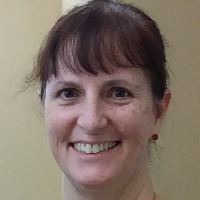
About Melinda
She uses a practical, relational approach in sessions. Conversations focus on identifying emotional needs, setting clear boundaries, and finding steady, repeatable ways to feel more grounded. Sessions tend to be direct and collaborative, with attention to what a person wants to change in day-to-day life.
Her background spans more than 32 years in many settings. That includes private psychotherapy, inpatient drug treatment, high school counseling, county drug treatment programs, outpatient psychotherapy, women’s prison work, and drug court treatment. Those roles shaped her understanding of addiction, trauma, and complicated life stressors.
Dr. Coker draws on attachment-based ideas and client-centered work to keep the relationship central. She also uses cognitive behavioral tools and dialectical behavior techniques to teach skills for emotion regulation and coping. Existential themes come up when people need to clarify meaning and life direction.
People can expect a therapist who asks questions, sets boundaries, and teaches concrete skills. She invites questions about the process to make therapy feel useful and relevant to each client. Prospective clients are encouraged to begin by using the site’s Start Therapy flow to match and schedule.
Areas of expertise
Primary focus
Also works with
Additional focus areas
Therapeutic approaches
Experience
32+ years
Credentials
Florida, Florida
Languages
English
How attachment, CBT, and dialectical work translate online
Attachment-based work focuses on relationships and emotional needs. Online sessions can help people notice patterns from past attachments and practice new ways of relating in their current lives. Client-centered therapy keeps the person’s experience at the center, encouraging the therapist to listen closely and follow what matters most to the client in each session. Cognitive Behavioral Therapy (CBT) breaks problems into thoughts, feelings, and behaviors and teaches concrete strategies to change unhelpful patterns; this can include homework and short skill practices between meetings.Choosing the right approach is a collaborative process. The therapist will discuss goals, preferences, and life demands and then try approaches that fit. Clients and the therapist can adjust methods as needed until there is a good fit for progress and comfort.
The profile does not list specific session formats, so confirm current options before scheduling. Online work can make it easier to fit appointments into busy days, cut travel time, and allow check-ins during breaks or after work. It can also let people focus on shorter skill-practice sessions or longer therapy hours depending on what helps them most. Licensed professionals aim to adapt pace and tools so sessions fit into everyday life and goals.
Frequently asked questions
What concerns does Dr. Coker address?
She works with stress, anxiety, addictions, grief, depression, relationship and intimacy issues, parenting strain, ADHD, bipolar mood concerns, trauma and related problems.
What is her therapeutic style in sessions?
Her style is relational and direct. She emphasizes emotional needs, clear boundaries, and practical skills people can use between sessions.
How much clinical experience does she have?
She has over 32 years of experience across private practice, inpatient and outpatient treatment, school counseling, drug court programs, and work in a women’s prison.
What credentials and location are listed?
She is an LMFT and practices in Florida.
Which languages are supported and can international clients connect?
Sessions are offered in English and she accepts international clients.
What session formats are available?
The original profile does not list specific session formats. Please confirm current session options before booking.
How does payment and cost work?
Cost varies with location and therapist availability; sessions use a subscription that can be canceled at any time.
How do I begin working with her?
Use the Start Therapy button, complete a short matching questionnaire, and schedule according to therapist availability.