- Collaborative care
- Evidence-informed tools
- Focus on meaning
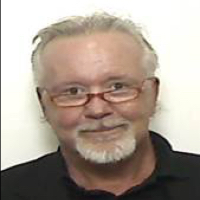
About Michael
He starts by listening closely to what matters most to the client. Sessions are collaborative - the client’s priorities guide the work. Michael uses practical strategies that match the situation rather than a one-size-fits-all plan.
Over his career he has worked with issues including trauma and abuse, grief, intimacy-related problems, and parenting stress. He also addresses more complex patterns such as attachment issues, avoidance, co-morbidity, and process addictions like gambling or problematic pornography use.
His approach draws from several methods including Acceptance and Commitment Therapy, Cognitive Behavioral Therapy, Dialectical Behavior Therapy, Client-Centered Therapy, and Existential Therapy. Those methods offer tools for emotion regulation, behavior change, and finding meaning.
Michael pays attention to practical change - reducing distress, improving relationships, and helping people make clearer life choices. He invites clients to track progress together so adjustments can be made as needed. He welcomes hearing each person’s story and working alongside them toward better day-to-day living.
Areas of expertise
Primary focus
Also works with
Additional focus areas
Therapeutic approaches
Experience
25+ years
Credentials
California
Languages
English
How Michael’s Approaches Work Online
Acceptance and Commitment Therapy (ACT) focuses on helping people clarify their values and take small actions toward them, even when difficult thoughts or feelings show up. It’s useful for anxiety, depression, and feeling stuck. Cognitive Behavioral Therapy (CBT) looks at the link between thoughts, feelings, and actions and teaches practical skills to change unhelpful patterns, which helps with panic, worry, and mood problems. Dialectical Behavior Therapy (DBT) teaches emotion regulation, distress tolerance, and interpersonal skills to manage intense emotions and reduce impulsive behaviors.Finding the right approach is part of the work. Michael treats approach selection as a team effort. He will talk with the client about goals, try methods that fit those goals, and adjust the plan based on what helps most.
Session formats are not specified in the biography, so confirm current session options before booking. Online work can make it easier to fit therapy into a busy day, allow shorter check-ins when appropriate, and remove travel time. Licensed professionals can use these methods effectively at a distance, focusing on skills practice, tracking progress, and making steady changes that carry into daily life.
Frequently asked questions
What concerns does Michael commonly address?
He works with stress, anxiety, depression, addictions, anger, self-esteem, relationship issues, grief, trauma and related concerns such as ADHD and bipolar mood challenges.
How would you describe his therapy style?
Sessions are collaborative and practical. He listens first, then helps set clear goals and tracks progress together.
What background and experience does he bring?
He has 25 years of clinical experience working with adults and young people on mood, addiction, and purpose-related concerns.
What credential does he hold and where is he based?
He is a Licensed Marriage and Family Therapist - LMFT - practicing in California.
Which languages are supported for sessions?
Sessions are offered in English.
Does he work with international clients?
He does not accept international clients at this time.
How are sessions billed and what is the cost structure?
Cost varies with location and therapist availability; sessions use a subscription model that can be canceled at any time.
How do I begin the process?
Click the Start Therapy button, complete a short matching questionnaire, and schedule according to therapist availability.