- Client-centered focus
- Cognitive tools
- Mindfulness elements
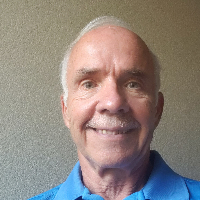
About Michael
McWhirter draws on client-centered work to follow each person's priorities. He uses cognitive behavioral techniques to identify unhelpful thoughts and change patterns. Emotionally-focused ideas guide conversations about trust, connection, and relationship pain when those issues come up.
He brings 38 years of experience in clinical settings and with substance use treatment. That background includes both individual and group work across a range of concerns. He has also supported first responders, veterans and others dealing with intense stressors.
Sessions are practical and goal-oriented. Conversations often focus on immediate steps people can use between meetings, like managing anxiety or improving sleep. He also helps people sort through career strain, parenting stress, and intimacy or grief issues.
People considering therapy with McWhirter should expect a collaborative, down-to-earth process. He helps clients set clear goals and checks progress along the way. For those balancing service and civilian life, he can address the stresses that come with that transition and everyday demands.
Areas of expertise
Primary focus
Also works with
Additional focus areas
Therapeutic approaches
Experience
38+ years
Credentials
Michigan
Languages
English
Using Client-Centered and CBT Approaches Online
Michael McWhirter often draws on client-centered therapy to keep the work focused on each person's priorities. Client-centered work means the therapist listens closely, reflects what is said, and helps people decide what matters most to address. This approach can be useful for adjusting to life changes, grief, and relationship stress.He also uses cognitive behavioral therapy, which focuses on spotting unhelpful thoughts and testing new behaviors. CBT is practical and action-oriented, so it can help with anxiety, low mood, sleep problems, and managing cravings or compulsive behaviors.
Choosing the right approach is part of the process. The therapist will work together with each person to pick methods that match their goals and comfort level, and will adjust the plan as progress is made.
The biography does not list specific online formats, so confirm current session options before booking. Online work can make it easier to fit therapy into a busy schedule, shorten check-ins when needed, and allow conversations without travel time. It can also let people use audio-only sessions if being on camera is hard, or schedule sessions around work or family obligations to keep therapy practical.
Frequently asked questions
What issues does Michael focus on?
He works with stress, anxiety, addictions, depression, trauma, grief, relationship and intimacy concerns, sleep and eating issues, parenting strain, ADHD, bipolar issues, and related challenges.
How would you describe his therapeutic style?
His style is practical and person-focused, using client-centered methods along with cognitive behavioral and emotionally-focused ideas and mindfulness to address problems directly.
What is his professional background?
He has 38 years of clinical experience, including work with substance use treatment, individual therapy, and group therapy across diverse settings.
What credentials and region should I know about?
He holds an LMSW (Licensed Master Social Worker) and practices in Michigan.
Does he offer sessions in other languages or to international clients?
Sessions are offered in English and he is not accepting international clients at this time.
What session formats are offered?
The original biography does not specify session formats; please confirm current session options before booking.
How does payment or cost work?
Cost varies with location and therapist availability; sessions use a subscription that can be canceled at any time.
How do I begin working with him?
Click the Start Therapy button, complete a short matching questionnaire, and schedule according to the therapist's availability.