- Client-centered approach
- Focus on relationships
- Practical goal steps
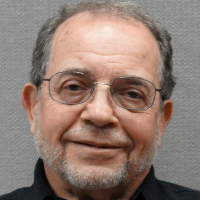
About Michael
His style centers on the person in front of him. He uses client-centered methods that let people guide the pace and focus of work. He also draws on emotionally focused and attachment-based ideas to look at how relationships shape feelings and behavior.
Michael blends several approaches in sessions. He may use motivational interviewing to help people find motivation for change and psychodynamic ideas to look at patterns coming from family of origin. Sessions emphasize honest talk, decision making by the client, and clear steps toward goals.
He brings 15 years of counseling experience to this work. Much of his practice has involved relationship conflict, trauma and abuse, parenting and family problems, substance use and reentry after incarceration, and readjusting from military service to civilian life. That background informs how he thinks about structure and next steps.
Sessions are conversational and goal-focused. Michael aims to be a collaborative partner who stays alongside clients as they try new strategies and make changes. People leave with concrete actions to practice between meetings.
Areas of expertise
Primary focus
Also works with
Additional focus areas
Therapeutic approaches
Experience
15+ years
Credentials
Maryland
Languages
English
How his approaches translate to online work
Attachment-based work looks at how early bonds affect current relationships and feelings, and it can help when family patterns cause repeated pain or distance. Client-centered therapy focuses on listening closely and following the client's priorities, which helps people name the changes they want and try them out. Emotionally-Focused Therapy (EFT) helps people identify and shift the emotions that drive relationship problems and can be useful for intimacy and conflict issues.Finding the right approach is part of the process. The therapist will talk with each person about goals, life context, and preferences, and together they will choose which methods to try. This makes therapy more practical and tailored to what the client wants to accomplish.
Confirm the current session options before booking, since formats were not specified in the biography. Online sessions can make it easier to fit therapy into a busy week, shorten commute time, and allow a quicker check-in between appointments. They can also make it simpler to meet from a quieter location or to choose a session style that matches energy levels, for example a phone check-in when bandwidth is low or a video session when visual cues are helpful.
Frequently asked questions
What concerns does Michael often help with?
He works with stress, anxiety, depression, relationship and parenting challenges, addiction, trauma and abuse, grief, anger, ADHD, and related issues.
How would you describe his therapy style?
His approach is client-centered and collaborative, with an emphasis on honest conversation, clear goals, and practical next steps you can try between sessions.
What background does he bring to his work?
He has 15 years of counseling experience, including work with relationship conflict, trauma, substance use and reentry, and helping people adjust from military service to civilian life.
What are his credentials and where is he located?
He holds the LCSW-C credential in Maryland and practices from that state.
Which languages are supported in sessions?
Sessions are offered in English.
Can international clients work with him?
International clients are not currently accepted.
How much do sessions cost?
Cost varies with location and therapist availability, and sessions use a subscription that can be canceled at any time.
What steps do I take to begin working with him?
Select the Start Therapy button, complete a short matching questionnaire, and then schedule according to therapist availability.