- ADHD coping strategies
- Career and coaching
- Grief and mood support
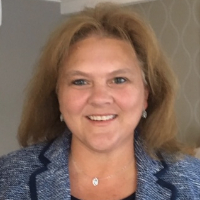
About Michelle
She adapts her approach to each person’s strengths and goals. Michelle emphasizes self-awareness, honest connection, and clear action steps. That may include setting small goals, practicing new routines, or trying different ways to organize time and tasks.
Her background includes work in schools, universities, corporations, and private practice. She also holds an MBA from Wake Forest University and brings experience in budgeting and project management to sessions. This business perspective is useful for people juggling careers, leadership roles, or entrepreneurial work.
Michelle has a particular interest in ADHD and helps adolescents, college students, and adults develop coping strategies for attention and executive-function challenges. She also supports people dealing with grief, depression, anxiety, relationship strain, and addiction concerns.
Sessions are conversational and goal-focused. Michelle blends client-centered methods with cognitive behavioral techniques, dialectical skills, mindfulness, and motivational interviewing to turn insight into action. She works from North Carolina and offers services in English, and she accepts international clients.
Areas of expertise
Primary focus
Also works with
Additional focus areas
Therapeutic approaches
Experience
20+ years
Credentials
North Carolina
Languages
English
Therapeutic approaches that translate well to online care
Client-Centered Therapy focuses on listening and building a strong working relationship; the therapist follows the client’s lead and helps clarify goals and values. Cognitive Behavioral Therapy, or CBT, looks at how thoughts and behaviors interact and uses practical exercises to reduce anxiety, manage mood, and change unhelpful patterns. Dialectical Behavior Therapy, or DBT, teaches skills for emotion regulation, distress tolerance, and better interpersonal effectiveness, which can help with impulsivity and intense emotions.Choosing the right approach is a collaborative process. Michelle will work together with each person to match methods to their needs, goals, and preferences. That may mean blending strategies and adjusting the plan over time as progress is made.
The profile does not list specific remote session types, so confirm available formats before booking. Online therapy can make it easier to fit sessions into a busy schedule, allow shorter check-ins when needed, and reduce travel time. It also lets people practice skills in the settings where they live and work, then bring those experiences back to sessions for discussion and adjustments.
Frequently asked questions
What concerns does Michelle commonly help with?
She supports people with stress, anxiety, ADHD, grief, depression, addictions, relationship and intimacy-related issues, and many life transitions.
How would you describe her therapeutic style?
Her style is practical and client-centered, focusing on self-awareness, honest connection, and turning insight into action through clear steps.
What kind of experience does she bring?
Michelle has 20 years of experience in counseling, coaching, and education across schools, universities, corporations, and private practice.
What credentials and location are listed?
She is a Licensed Clinical Mental Health Counselor (LCMHC) licensed in North Carolina and practices from that state.
Which languages and international options are available?
Sessions are offered in English, and she accepts international clients.
What session formats are used?
The original profile does not list specific session formats; please confirm current session options before scheduling.
How is cost structured for sessions?
Fees vary with location and therapist availability, and sessions use a subscription that can be canceled at any time.
How do I begin working with her?
Click the Start Therapy button, complete a short matching questionnaire, and schedule according to therapist availability.