- Collaborative goal setting
- Practical coping skills
- Trauma-aware approach
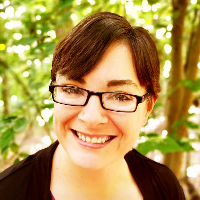
About Monique
She uses an integrative, down-to-earth approach that adapts to each person's needs. Conversations can be more reflective talk therapy or more skill-focused, depending on what someone wants. Monique emphasizes client-centered work and cognitive behavioral techniques to reduce unhelpful patterns and improve emotional balance.
Her background spans 20 years in counseling and she holds a Master’s degree in Mental Health Counseling. She lists her credentials as LMHC and LPC and practices in Michigan. That experience shapes a calm, nonjudgmental style that aims to make difficult topics easier to talk about.
In sessions she helps people develop self-awareness, safety, and emotional coping tools. Practical goals might include managing intense emotions, reducing anxiety, working through grief, addressing addictive behaviors, or sorting out intimacy and attachment concerns. She encourages collaborative planning so clients know what to expect between visits.
Monique also addresses more specific issues such as body image, BDSM and kink-related concerns, codependency, and effects of trauma. The focus is on steady, achievable change rather than quick fixes. People leave with concrete skills and a clearer sense of next steps.
Areas of expertise
Also works with
Additional focus areas
Therapeutic approaches
Experience
20+ years
Credentials
Michigan, Washington
Languages
English
How her approaches shape online work
Monique frequently draws on client-centered therapy and cognitive behavioral therapy in her work. Client-centered therapy focuses on listening closely and following each person’s concerns so the plan fits their life. Cognitive behavioral therapy looks at thoughts and behaviors and teaches practical skills to change patterns that cause distress.Finding the right approach is part of the process. She will work collaboratively to choose methods that match a person’s goals and preferences, and adjust the plan as those goals change. Clients are invited to give feedback and help decide whether conversations or skill practice are most useful.
If you are considering online sessions, confirm the current session options before booking so you know what formats are offered. Online therapy can make it easier to fit appointments into a busy day, reduce time spent traveling, and allow shorter check-ins when schedule constraints exist. It can also let people use strategies learned in sessions more readily between meetings. Talk with the therapist when you schedule to discuss which approach and session rhythm would work best for your situation.
Frequently asked questions
What concerns does she help with?
She helps people with stress, anxiety, depression, addictions, trauma and abuse, relationship and intimacy issues, grief, anger, bipolar concerns, ADHD, and related struggles.
How would you describe her therapy style?
Her style is relaxed, compassionate, and non-judgmental. Sessions blend talk therapy with practical skill building based on each person’s goals.
What experience does she bring?
She has 20 years of experience in the counseling field and a Master’s degree in Mental Health Counseling.
What are her credentials and where is she based?
She holds the LMHC and LPC credentials and practices in Michigan.
Which languages are supported?
Sessions are offered in English.
Can international clients work with her?
She does not accept international clients at this time.
How much do sessions cost?
Cost varies with location and therapist availability; sessions use a subscription that can be canceled at any time.
How do I get started?
Select the Start Therapy button, complete a short matching questionnaire, and schedule according to therapist availability.