- Stress and anxiety
- Trauma informed
- Client centered
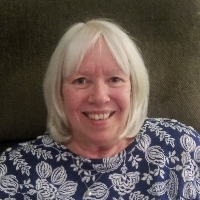
About Nora
She begins by building a trusting working relationship. That relationship gives people a place to tell their story and name the problems that matter to them. Sessions are grounded in a client-centered stance where the person’s goals lead the work.
Nora draws on several approaches to help people develop practical skills and new perspectives. She uses Cognitive Behavioral Therapy to challenge unhelpful thinking, Dialectical Behavior Therapy to strengthen emotion regulation, and Acceptance and Commitment Therapy to clarify values and increase meaningful action. Attachment-based ideas guide exploration of close relationships and patterns that repeat over time.
In the room, Nora aims for clear, direct conversation and useful tools rather than jargon. She helps people practice coping strategies, try new behaviors, and make decisions that fit their life. Progress is measured in real changes people notice between sessions.
Nora practices in New York and works in English. If someone wants to begin, the usual first step is to complete a short matching questionnaire and schedule according to her availability.
Areas of expertise
Primary focus
Also works with
Additional focus areas
Therapeutic approaches
Experience
15+ years
Credentials
New York
Languages
English
How her approaches fit into online therapy
Nora uses Cognitive Behavioral Therapy (CBT) to help people spot and change patterns of thinking that lead to stress and mood problems. CBT often involves practice exercises and small behavior changes between sessions to test new ways of coping.She also draws on Acceptance and Commitment Therapy (ACT), which focuses on clarifying personal values and taking actions that matter even when difficult feelings are present. ACT can help with grief, chronic illness, and other challenges that involve long-term adjustment.
Finding the right approach is a team effort. Nora collaborates with each person to decide which methods match their goals and daily life. That means trying ideas, checking what helps, and shifting course when needed.
Session formats are not listed in the biography, so please confirm current online options before booking. Many people find remote sessions helpful because they can fit therapy into a lunch break, avoid travel time, or use a shorter check-in when schedules are tight. Therapists commonly adapt CBT and ACT work for remote meetings by assigning short exercises, sharing worksheets, and reviewing progress together so therapy supports real change in day-to-day life.
Frequently asked questions
What concerns does Nora typically address?
She supports adults with stress, anxiety, depression, trauma and abuse, relationship and intimacy issues, grief, parenting strain, bipolar disorder, and related concerns.
How would you describe her therapeutic style?
Her style is client-centered and trauma-informed, favoring straightforward conversation and practical skills that people can apply between sessions.
What kind of experience does the therapist have?
She has 15 years of clinical experience working with adults on mood disorders, trauma, self-esteem, and life transitions.
Where is Nora based and what credential does she hold?
She practices in New York and holds the LMHC credential, listed as NY LMHC.
Which languages are sessions offered in?
Sessions are offered in English and international clients are not currently accepted.
What session formats are available?
Session formats are not specified in the biography; please confirm current session options before booking.
How does pricing and payment work?
Cost varies with location and therapist availability; sessions use a subscription that can be canceled at any time.
How do I get started if I want to work with her?
Click the Start Therapy button, complete a short matching questionnaire, and schedule based on the therapist's availability.