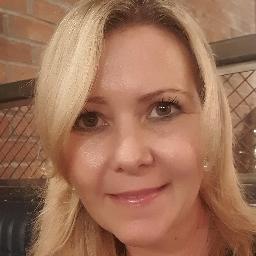
- Integrative approach
- Neuroscience informed
- Warm and direct
About Pamela
She uses a mix of therapies rather than a single method. That means sessions can include talking about past experiences, looking at unhelpful thinking patterns, and noticing how the body holds stress. Pamela includes psychoeducation so people understand how their brain and body respond to anxiety, depression and trauma.
Typical issues she addresses include anxiety, panic attacks, depression, relationship problems, trauma and complex trauma, eating and addiction concerns, and questions about identity and intimacy. Additional focuses listed include attachment and abandonment, body image, codependency, communication problems, dissociation, and coping with separation and divorce.
Sessions combine listening with practical techniques. Pamela says she is warm and empathic, and that she will gently challenge unhelpful thoughts and behaviours. She uses somatic and sensorimotor ideas to help people notice bodily responses and learn ways to manage anxiety and mood.
Pamela also refers to work informed by neuroscience and neurobiology to explain why certain feelings or reactions occur. Her aim is to help people gain skills they can use day to day while also attending to the emotional material that underlies those difficulties.
Areas of expertise
Primary focus
Also works with
Additional focus areas
Therapeutic approaches
Experience
18+ years
Credentials
BACP · United Kingdom
Languages
English
How Pamela’s approaches translate to online work
Pamela draws on attachment‑based ideas that look at how early relationships shape current patterns. This helps when people want to understand why they react strongly in close relationships or feel repeatedly let down.She also uses cognitive behavioural ideas to spot and change unhelpful thinking and behaviour patterns. That approach is useful for panic, anxiety and low mood because it offers clear steps people can practise between sessions.
Finding the right approach is part of the work together. Pamela will discuss your needs, goals and preferences and help choose methods that fit. That collaborative process means plans may shift as you learn what helps most.
The practical benefits of working online depend on the session formats offered, which are not specified in the biography. Please confirm current session options before booking. Online sessions can make it easier to fit therapy into a busy life, reduce travel time, and allow shorter check‑ins when that suits a schedule. They can also make it simpler to try techniques and exercises in everyday settings so skills transfer into daily life.
Frequently asked questions
What concerns does Pamela focus on?
She works with stress, anxiety, depression, relationship issues, trauma and abuse, eating and addictions, and a range of intimacy and self‑esteem concerns.
What is her general therapeutic style?
Pamela uses an integrative, person‑centred style that combines listening with practical techniques and gentle challenge.
How much clinical experience does she have?
She has 18 years of experience working in therapeutic settings across a range of issues.
What credentials and location are listed?
Pamela is listed with the BACP and practises in the United Kingdom.
Which languages are supported and can international clients join?
Sessions are offered in English and Pamela accepts international clients.
What session formats are available?
The biography does not specify session formats; please confirm current session options before booking.
How are sessions charged?
Cost varies with location and therapist availability; sessions use a subscription that can be cancelled at any time.
How do I begin working with Pamela?
Select the Start Therapy button, complete a short matching questionnaire, and schedule according to the therapist's availability.