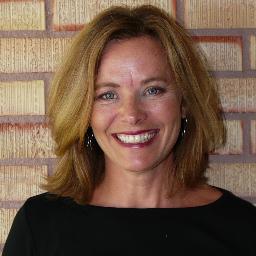
About Patricia
Patricia has worked across private practice, military settings, and higher education. That background informs how she supports people connected to service and civilian life. She aims to help people feel less stuck and move toward goals they care about.
In sessions she uses straightforward methods to identify what matters most to each person. Together they build practical tools to manage difficult feelings, cope with transitions, and address patterns that cause repeated stress. Patricia emphasizes collaboration and clear steps rather than jargon.
Her work includes attention to first responder and veteran and armed forces issues, hospice and end-of-life counseling, sexual assault and abuse, and a range of process addictions. She also supports people facing seasonal mood shifts and relationship challenges such as jealousy.
Patricia blends Attachment-Based, Client-Centered, Cognitive Behavioral, Existential, and Mindfulness approaches as needed. She helps people translate insights into daily routines that fit their life and responsibilities in Idaho and beyond.
Areas of expertise
Primary focus
Additional focus areas
Therapeutic approaches
Experience
15+ years
Credentials
Idaho
Languages
English
How chosen approaches translate to online work
Attachment-Based work focuses on patterns in close relationships and how those patterns show up in daily life. Online sessions can help people notice their attachment responses and practice new ways of relating to others and themselves. Cognitive Behavioral Therapy (CBT) looks at the links between thoughts, feelings, and behavior and teaches clear tools to change unhelpful cycles. It is often useful for anxiety, stress, and some trauma reactions. Mindfulness Therapy uses simple attention exercises to reduce reactivity and increase moment-to-moment awareness, which can ease strong emotions and improve coping.Finding the right approach is part of the process. The therapist will talk with each person about their needs, goals, and preferences and then suggest approaches to try. That collaborative plan can change over time based on what helps most.
Confirm the session formats offered before booking so you know what to expect. Many people find online therapy helpful because it can fit into a busy schedule, reduce travel time, and make it easier to maintain continuity during life transitions. It can also allow shorter check-ins when time is limited or sessions that work around shift work and caregiving. Licensed professionals and therapists adapt tools and homework to work well across different session types, keeping the focus on usable steps that fit the client's everyday life.
Frequently asked questions
What kinds of concerns does this therapist help with?
Areas of focus include stress, anxiety, trauma and abuse, grief, career questions, and coping with life changes.
What is the therapist's general approach to therapy?
The approach is warm and genuine, combining talk-based work with practical tools to reduce feeling stuck and move toward goals.
How much experience does the therapist have?
She has 15 years of experience working in private practice, military settings, and higher education.
What credentials and location are listed for this therapist?
The clinician holds the LPC credential and is based in Idaho.
Which languages are supported and are international clients accepted?
Sessions are offered in English and international clients are not currently accepted.
What session formats are available?
Please confirm current session options before booking to know which formats are offered.
How are fees and payment handled?
Cost varies with location and therapist availability; sessions use a subscription that can be canceled at any time.
How do I begin working with this therapist?
Click the Start Therapy button, complete a short matching questionnaire, and schedule according to the therapist's availability.