- Client-centered approach
- CBT techniques
- Strength-based work
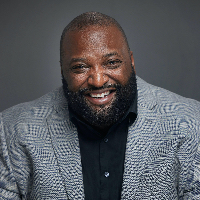
About Patrick
Dr. Casthely blends practical techniques with talk-based approaches. He draws on client-centered methods to listen and understand what matters most. He also uses cognitive-behavioral ideas to help people change unhelpful thinking and behavior patterns. Narrative and existential elements appear when exploring life meaning and personal stories.
In sessions he focuses on straightforward goals like reducing anxiety, managing stress, addressing addictions, and improving relationships. He also helps people struggling with grief, trauma and abuse, self-esteem, parenting challenges, and career or life transitions. Work can include planning concrete steps, practicing new communication, and reflecting on values and choices.
He describes his style as strength-based and affirming. That means he looks for personal resources and builds on them while offering guidance and structure when needed. He welcomes people from diverse backgrounds and works to avoid stigmatizing labels.
To begin clients use the site Start Therapy button, complete a short matching questionnaire, and schedule according to availability. Fees vary with location and the subscription model used by the platform can be canceled at any time.
Areas of expertise
Primary focus
Also works with
Additional focus areas
Therapeutic approaches
Experience
30+ years
Credentials
Florida
Languages
English
How his approaches translate to online work
Client-Centered Therapy emphasizes listening and understanding the person's experience. In practice that means the therapist follows the client's lead, reflects concerns back, and helps people name what matters most. This approach supports issues like low self-esteem, relationship strain, and life transitions.Cognitive Behavioral Therapy (CBT) focuses on the link between thoughts, feelings, and actions. Online CBT often uses clear, step-by-step strategies to change unhelpful thinking and build new behaviors, which can help with anxiety, depression, addictions, and coping with stress.
Finding the right approach is part of the process. The therapist will work collaboratively to identify which methods fit the client's goals and preferences. That might mean trying a few techniques and adjusting the plan over time based on what helps.
Confirm current session options before booking since formats are not specified here. Online therapy can make it easier to fit sessions into a busy week, shorten check-ins when needed, or avoid travel time. It can also allow a mix of conversational sessions and focused skill practice so therapy fits everyday life rather than replacing it.
Frequently asked questions
What kinds of concerns does this therapist address?
He works with stress, anxiety, addictions, relationship and intimacy issues, grief, trauma and abuse, self-esteem, parenting challenges, career stress, depression and bipolar concerns among others.
How would you describe his therapeutic style?
His style is adaptive and strength-based, combining listening with practical steps. He mixes client-centered conversation and structured approaches to match each person's needs.
What is his clinical experience?
He has about 30 years of experience working in community mental health, substance abuse treatment, and private practice settings.
What credentials and region should I know about?
He holds the credential LMHC and practices in Florida.
Which languages are sessions offered in?
Sessions are offered in English.
Can international clients work with him?
He is not currently accepting international clients.
How are fees and payment handled?
Cost varies with location and practitioner availability; sessions use a subscription model that can be canceled at any time.
How do I get started with therapy?
Click the Start Therapy button, complete a short matching questionnaire, and then schedule sessions based on the therapist's availability.