- Trauma focused
- Skills based
- Practical goals
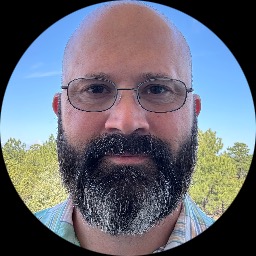
About Paul
Paul spent years working in the Army as a mental health technician, then served as an Army officer and active duty social worker. He completed a Master of Social Work and holds LCSW and CSW credentials licensed in Colorado and North Carolina. That background includes regular work with trauma, substance use concerns, and survivors of domestic and sexual violence.
In sessions he uses straightforward, skills-based methods. He draws on Cognitive Behavioral Therapy to help people notice unhelpful thinking patterns. He teaches Dialectical Behavior Therapy skills for managing strong emotions and reducing impulsive reactions.
He also uses Eye Movement Desensitization and Reprocessing approaches and mindfulness practices to help people process traumatic memories and reduce stress. Motivational Interviewing and solution-focused strategies guide conversations about change and next steps.
Paul aims for practical work in the room. He focuses on what matters most to each person and helps set small, doable goals. People can expect a collaborative, direct approach that emphasizes safety, pacing, and steady progress.
Areas of expertise
Primary focus
Also works with
Additional focus areas
Therapeutic approaches
Experience
15+ years
Credentials
North Carolina, Colorado
Languages
English
How these approaches translate to online work
CBT focuses on identifying and changing unhelpful thoughts and behaviors. Online sessions can walk through thought records, set behavioral experiments, and practice new coping steps between meetings.DBT provides skills for emotion regulation, distress tolerance, and interpersonal effectiveness. In remote sessions Paul can teach and practice these skills, coach through exercises, and plan small skill practice for daily life.
EMDR-style approaches help people reprocess traumatic memories with structured protocols and guided bilateral stimulation. When suitable, elements of this work can be adapted for distance sessions to help reduce the intensity of traumatic memories.
Finding the right approach is part of therapy. The therapist will collaborate with each person to choose methods that match their needs, goals, and comfort level. That process may include trying different techniques and adjusting the plan over time.
Session formats are not listed explicitly in the biography, so confirm current options before booking. Online work can make it easier to fit sessions into a busy life, allow for shorter check-ins when schedules are tight, and reduce travel time. Licensed professionals can use remote appointments to maintain continuity of care while tailoring sessions to practical constraints and daily routines.
Frequently asked questions
What concerns does Paul commonly address?
He works with stress, anxiety, trauma and abuse, anger, depression, compassion fatigue, and related concerns such as sleep and self-esteem.
What is his therapy style like?
Sessions are practical and skills oriented, using straightforward techniques and short-term goals to help people manage emotions and daily problems.
What is his background working with service members?
Paul has 15 years in mental health, with experience as an Army mental health tech, Army officer, and active duty social worker supporting veterans and service members.
What credentials and location should I know about?
He holds LCSW and CSW credentials and practices from Colorado with licensure in Colorado and North Carolina.
Which languages are supported for sessions?
Sessions are offered in English.
Can international clients work with him?
He does not work with international clients at this time.
How are sessions scheduled and what about cost?
Sessions use a subscription model that can be canceled at any time; exact costs vary with location and therapist availability.
How do I begin working together?
Select the Start Therapy button, complete a short matching questionnaire, and schedule according to the therapist's availability.