- Direct supportive style
- Focus on practical change
- Experience with veterans
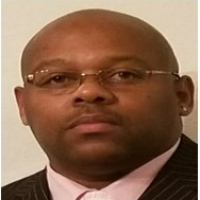
About Paul
Clark uses a conversational and straightforward counseling style. Sessions focus on practical steps and building on what already works for the person. He draws on a mix of approaches to match the client’s goals rather than applying one fixed method. The goal is collaborative problem-solving and clear planning for change.
He trained at Norfolk State University, earning both a Bachelor’s and a Master’s degree in Social Work, and served 20 years as a Chief Petty Officer on active duty. That background informs his perspective while working with practical life changes and transition issues. He has about 10 years of post-degree experience in mental health care.
Therapy may include tools from cognitive behavioral approaches, acceptance-based work, emotionally-focused practices, and client-centered dialogue. He also addresses communication problems, forgiveness, guilt and shame, and self-harm concerns when those arise. Sessions are shaped to fit the person’s priorities and pace.
Paul invites people to collaborate on goals and plans that feel doable. He seeks to empower clients to use their strengths and to move toward the changes they want.
Areas of expertise
Primary focus
Also works with
Additional focus areas
Therapeutic approaches
Experience
10+ years
Credentials
Virginia, District of Columbia, New Jersey, Arizona
Languages
English
How his approaches translate to online work
Acceptance and Commitment Therapy (ACT) focuses on helping people notice difficult thoughts and feelings without being driven by them, and then commit to actions that match personal values. It can help with anxiety, low mood, and life transitions. Cognitive Behavioral Therapy (CBT) looks at the connection between thoughts, feelings, and behaviors and teaches practical skills to change unhelpful patterns. It is often used for anxiety, depression, and stress management. Client-Centered Therapy emphasizes listening, empathy, and building a respectful therapeutic relationship so the person feels understood and able to explore change.Choosing the right approach is a collaborative process. The therapist will talk with the person about goals, preferences, and what has or hasn’t helped before. From there they adapt methods and try practical steps together, checking in and adjusting as needed.
The biography does not list specific online session formats, so confirm available options before booking. Online work can make it easier to fit sessions into a busy day, reduce travel time, and allow steady follow-up when life is hectic. It also allows flexibility for shorter check-ins or video conversations when that fits someone’s schedule. Licensed professionals, including this therapist, typically adapt exercises and tools so they work well in remote sessions while keeping the focus on real-life changes and goals.
Frequently asked questions
What kinds of concerns does he help with?
He works with stress, anxiety, depression, grief, addiction, anger, career concerns, self-esteem, relationship and family issues, and coping with life changes.
How would you describe his therapeutic approach?
He uses a warm, interactive, and straightforward style. Therapy often includes cognitive behavioral ideas, acceptance-based techniques, emotionally focused work, and client-centered conversation.
What background and experience does he bring?
He has about 10 years of clinical experience and served 20 years as a Chief Petty Officer on active duty, which informs his work with transitional and service-related concerns.
Where is he licensed and practicing?
He holds a DC LICSW and an Arizona LCSW and is based in Virginia.
Which languages are available for sessions?
Sessions are offered in English, and he is able to work with international clients.
What session formats are offered?
The original biography does not list specific session formats; please confirm current session options before booking.
How does payment and cost work?
Cost varies with location and therapist availability, and sessions use a subscription that can be canceled at any time.
How do I begin working with him?
Click the Start Therapy button, complete a short matching questionnaire, and schedule according to therapist availability.