- Addiction recovery support
- Trauma and healing
- Life purpose work
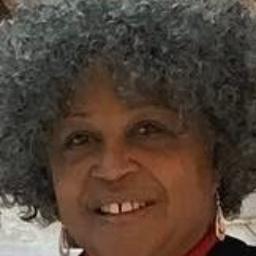
About Paula
She focuses on practical steps like clearer communication and rebuilding self-worth. Paula supports people navigating substance use recovery, domestic violence aftermath, sexual assault healing, and end-of-life concerns. She also helps with stress, anxiety, grief, anger, and finding life purpose.
Paula draws on several approaches to shape treatment to each person’s needs. These include client-centered work that follows the person’s lead, cognitive behavioral tools to shift unhelpful thinking and behavior, and mindfulness practices to ease reactivity. Motivational interviewing is used when people want help moving toward change.
Her background includes long experience supporting veterans and people from multicultural backgrounds. She blends practical problem solving with attention to meaning and values. Sessions aim to build small skills that add up to steady relief and better choices.
Paula practices in Colorado and holds LPC credentials. She speaks English and does not take international clients. To begin, people complete a short matching questionnaire and schedule according to her availability.
Areas of expertise
Primary focus
Also works with
Additional focus areas
Therapeutic approaches
Experience
27+ years
Credentials
Colorado, Georgia
Languages
English
How these approaches shape online care
Client-centered therapy focuses on the person and their goals. The therapist follows the client’s lead, listens deeply, and helps people name what matters most. This approach supports those who need a trusting, respectful space to talk things through.Cognitive Behavioral Therapy, or CBT, looks at the links between thoughts, feelings, and actions. It offers clear exercises and small homework steps to change patterns that keep problems going. CBT can help with anxiety, depression, and addictive behaviors.
Mindfulness practices teach simple ways to notice thoughts and bodily reactions without getting swept away. These exercises can reduce reactivity and help with stress, anger, and cravings.
Finding the right approach is part of the work. The therapist will collaborate with each person to choose which methods fit their needs, goals, and preferences. That way sessions focus on what will help most for the client’s situation.
If you are considering online therapy, confirm the current session options before booking. Online care can make it easier to fit counseling into a busy life, reduce travel time, and allow short check-ins when schedules are tight. Discuss practical needs and timing with the therapist when you schedule so sessions can be arranged to match daily routines and commitments.
Frequently asked questions
What concerns does this therapist help with?
Paula helps people with addiction, relationship and family problems, trauma and abuse, grief, anxiety, depression, self-esteem, career questions, and related issues.
How would you describe her therapeutic style?
Her style is person-focused and practical. She uses client-centered talking, cognitive-behavioral techniques, mindfulness, and motivational interviewing to meet goals.
How much experience does she have?
She has 27 years of clinical experience working with a wide range of concerns including substance use recovery and end-of-life counseling.
Where is she licensed and located?
She holds LPC credentials and practices in Colorado, with prior licensure in Georgia noted in her background.
Which languages are supported for sessions?
Sessions are offered in English only.
Can international clients work with her?
She does not accept international clients at this time.
How much do sessions cost?
Cost varies by location and therapist availability; sessions use a subscription that can be canceled at any time.
What is the process to start therapy?
Select the Start Therapy button, complete a short matching questionnaire, and schedule according to the therapist's availability.