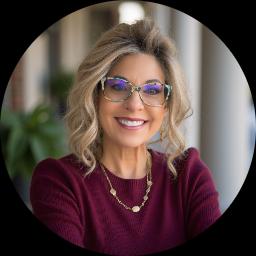
- Practical coping tools
- Warm collaborative style
- 17 years experience
About Paula
Dr. Ehrmantraut uses methods that include client-centered work, cognitive behavioral techniques, dialectical behavior tools, emotionally-focused ideas, and existential reflection. She favors straightforward plans that match each person’s situation. Sessions often focus on skills for managing difficult emotions, reshaping unhelpful thoughts, and improving communication.
Her practice also addresses issues related to adoption and foster care, attachment, aging and geriatric concerns, autism and Asperger syndrome, body image, chronic illness and pain, codependency, and substance use. Dr. Ehrmantraut works with people coping with divorce, domestic violence histories, and disruptive mood patterns.
She describes therapy as a collaborative process. People set goals together and try out practical strategies between sessions. Progress is tracked in simple ways so adjustments can be made when needed.
Dr. Ehrmantraut holds the credentials LCPC, LPC, and LPC-MH and practices in South Dakota. She speaks English and accepts international clients. If someone is ready to begin, she asks them to use the Start Therapy button to complete a short matching questionnaire and schedule a first session.
Areas of expertise
Primary focus
Additional focus areas
Therapeutic approaches
Experience
17+ years
Credentials
Montana, Washington, South Dakota, Utah
Languages
English
Approaches that translate to online therapy
Dr. Ehrmantraut often uses client-centered work which focuses on understanding each person’s experience and reflecting that back to help clarify feelings. This approach helps when someone needs a calm, validating space to talk through hard issues. Cognitive Behavioral Therapy, or CBT, teaches practical skills to notice and change unhelpful thoughts and behaviors and is useful for anxiety, depression, and many stress-related problems.Finding the right approach is part of the work together. The therapist will help decide which methods to try based on a person’s goals, concerns, and what feels most helpful. That choice is revisited as progress is made so adjustments can be made when needed.
Session formats supported by this profile are not listed in the biography, so confirm current session options before booking. Online work can make it easier to fit therapy into a busy day, allow shorter check-ins when schedules are tight, and reduce travel time. It also lets people try different ways of working without changing providers. Licensed professionals adapt the techniques above to work well over distance and help people practice skills between meetings.
Frequently asked questions
What concerns does she help with?
She supports people working through stress, anxiety, depression, addictions, relationship concerns, and LGBT-related issues, plus related areas like attachment, adoption and foster care, chronic illness, and body image.
What is her therapeutic style like?
The style is collaborative and down-to-earth. Sessions focus on practical steps, skills practice, and kinder self-talk rather than long theoretical explanations.
How much experience does she have?
She has 17 years of clinical experience working with a wide range of concerns and life stages.
Where is she based and what are her credentials?
She practices in South Dakota and holds the credentials LCPC, LPC, and LPC-MH.
Which languages are supported?
Sessions are offered in English.
Can people outside the United States work with her?
She accepts international clients; confirm any time zone or scheduling considerations when arranging sessions.
How are sessions priced?
Costs vary by location and therapist availability and use a subscription model that can be canceled at any time.
What do I do to get started?
Click the Start Therapy button, complete a short matching questionnaire, and then schedule according to the therapist's availability.