- Trauma and addiction
- Grief and loss
- Stress and anxiety
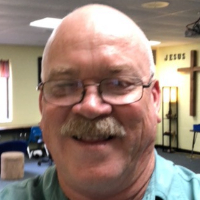
About Philip
He uses approaches that center the client's experience and build safety in relationships. That means paying attention to how early attachments and current relationships shape emotional reactions. Philip blends client-centered listening with tools from cognitive behavioral therapy to help people notice unhelpful thinking and try different responses.
For those affected by traumatic memories, he includes strategies that target distressing images and sensations and aim to reduce their emotional intensity. Mindfulness practices are used to teach simple grounding and attention skills people can use between sessions. Philip aims for practical steps that fit into everyday life rather than lengthy theory discussions.
Philip has four years of experience in mental health counseling. His background includes work with young adults, veterans, and first responder issues, along with grief and attachment challenges. He brings that experience into sessions while adapting to each person’s pace and needs.
If you want to explore change, Philip asks about what matters to you and helps set clear, achievable goals. To begin, clients follow the site's process to be matched and schedule sessions according to availability.
Areas of expertise
Primary focus
Also works with
Additional focus areas
Therapeutic approaches
Experience
4+ years
Credentials
Tennessee
Languages
English
How therapeutic approaches guide online care
Philip often draws on Attachment-Based Therapy and Cognitive Behavioral Therapy to shape online work. Attachment-based methods focus on how early relationships affect current feelings and reactions and can help people untangle patterns in close relationships. Cognitive behavioral work looks at thoughts and behaviors that keep problems going and teaches practical skills to shift them.Finding the right approach is part of the process. The therapist will talk with each person about their needs, goals, and preferences and then suggest which approaches to try. That choice is made together and can change as progress is made.
Session logistics should be confirmed before booking since specific formats are not listed here. Online therapy can make it easier to fit sessions into a busy life, whether someone needs a shorter check-in on a break or wants to avoid travel time. It also lets people practice mindfulness and coping skills between appointments and bring real-life situations into discussion more readily. Ask about current session options when you schedule so arrangements match your daily routine and needs.
Frequently asked questions
What kinds of concerns does Philip address?
He works with a broad range of issues including addictions, trauma and abuse, grief, anxiety, depression, and relationship or intimacy-related concerns.
What is Philip's general approach in sessions?
Philip combines client-centered listening with attachment-focused work and cognitive behavioral tools to help people understand patterns and try new responses.
What experience does he bring to therapy?
He has four years of experience in mental health counseling and has worked with young adults, veterans, and first responder issues alongside grief and attachment concerns.
Where is Philip licensed and based?
Philip holds the LPC credential and practices in Tennessee as a licensed professional counselor.
Which languages are offered for sessions?
Sessions are offered in English only.
Can people outside the United States work with Philip?
International clients are not currently accepted; sessions are arranged for people located where Tennessee licensure applies.
How does billing and cost work?
Costs vary with location and therapist availability; sessions use a subscription model that can be canceled at any time.
How do I begin working with Philip?
Use the Start Therapy button, complete the short matching questionnaire, and schedule sessions according to the therapist's availability.