- Stress and anxiety
- Grief and loss
- Relationship support
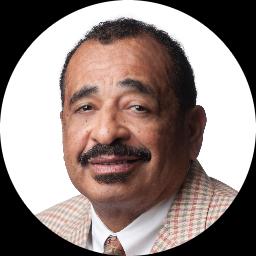
About Phillip
He focuses on practical talk and concrete steps. Sessions are shaped around each person’s needs, so treatment plans look different from case to case. He emphasizes respect, sensitivity, and compassion in every conversation.
Phillip commonly uses approaches that help people change unhelpful thoughts and commit to meaningful action. He also works with people who want tools to tolerate difficult feelings while moving toward what matters to them. These methods are used with issues like trauma, loss, communication problems, and addiction challenges.
Over two decades of practice have included work with caregiver stress, blended family issues, first responder concerns, aging and geriatric topics, and a range of co-occurring problems. He adapts interventions for impulsivity, control issues, and commitment struggles when they come up in sessions.
People who choose him can expect straightforward language and a focus on doable steps. He asks about goals and priorities early, then adjusts the plan as progress is made. To begin, visitors are invited to use the site’s Start Therapy flow to match and schedule a session.
Areas of expertise
Primary focus
Also works with
Additional focus areas
Therapeutic approaches
Experience
24+ years
Credentials
Illinois
Languages
English
How ACT and CBT translate to online sessions
Acceptance and Commitment Therapy (ACT) helps people notice difficult thoughts and feelings without getting stuck in them, then take action toward values and meaningful goals. It often helps with anxiety, grief, and problems that keep repeating, like avoidance or getting overwhelmed.Cognitive Behavioral Therapy (CBT) looks at the link between thoughts, feelings, and behavior and teaches practical skills to change patterns that cause distress. It is commonly used for anxiety, depression, sleep problems, and compulsive behaviors.
Choosing the right approach is part of the work. Phillip collaborates with each person to decide whether ACT, CBT, or a mix fits best. He asks about your goals and adjusts methods as progress is made, so the plan evolves with your needs.
Confirm the available session formats before booking since the biography does not list specific options. In general, online therapy can make it easier to fit sessions into a busy life, allow shorter check-ins when needed, and reduce travel time when schedules are tight. Licensed professionals can adapt exercises, homework, and skills practice for remote visits so care stays focused on practical change.
Frequently asked questions
What kinds of problems does this therapist address?
Phillip works with stress, anxiety, grief, depression, addictions, sleep problems, relationship and family concerns, and trauma and abuse.
What is the general therapy style and approach?
He uses clear, practical conversation focused on doable steps. His work draws on Acceptance and Commitment Therapy and Cognitive Behavioral Therapy techniques.
How much clinical experience does he have?
He has 24 years of professional work experience in counseling and related clinical roles.
What are his credentials and where is he based?
He is an Illinois Licensed Clinical Professional Counselor - LCPC - and practices in Illinois.
Which languages are supported for sessions?
Sessions are offered in English and he accepts international clients.
What session formats are offered?
Please confirm current session options before booking, as formats are not specified in the biography.
How does payment or cost work?
Cost varies with location and therapist availability; sessions use a subscription that can be canceled at any time.
How do I begin working with him?
Use the Start Therapy button, complete a short matching questionnaire, and schedule according to therapist availability.