- Strengths focused
- Practical skills
- Relationship support
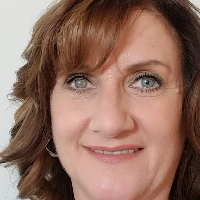
About Phyllis
Phyllis works in a collaborative way. She starts by listening to a person’s goals and what matters most to them. Then she helps set small, clear steps toward change. Sessions emphasize strengths people already have and build skills they can use between meetings.
Her background includes helping people with anxiety, depression, addiction concerns, grief, trauma, LGBTQ matters, intimacy issues, anger, and attention-related challenges such as ADHD. She also supports those facing family-of-origin problems, blended family stress, caregiver burden, and relationship communication difficulties.
Phyllis draws on several practical approaches. She uses client-centered methods to follow what a person brings to the room, cognitive behavioral techniques to shift unhelpful thoughts and habits, mindfulness to build present-moment awareness, and tools from the Gottman Method to improve couple communication. She adapts those strategies to each person’s situation.
Based in North Carolina, she takes a systems-informed view, recognizing how relationships and daily contexts shape behavior. Her style is warm and direct - she offers encouragement, points out patterns, and helps people try new ways of thinking and acting.
Areas of expertise
Primary focus
Also works with
Additional focus areas
Therapeutic approaches
Experience
5+ years
Credentials
North Carolina
Languages
English
Approach-driven online therapy for everyday struggles
Phyllis uses client-centered therapy to follow each person's priorities, helping conversations stay focused on what matters most. That approach supports people who want a therapist to reflect their experiences and build work that fits their life. Cognitive behavioral therapy targets the link between thoughts, feelings, and behaviors with practical exercises and tools that help with anxiety, depression, and coping skills.Finding the right approach is part of the work together. She will talk with clients about goals, test methods that fit their needs, and adjust plans based on what helps. This is a collaborative process where the therapist and client try things and pick what works best over time.
Session formats are not specified in the biography, so confirm the current options before booking. Online therapy can make it easier to fit appointments into a busy week, reduce time spent traveling, and allow shorter check-ins when schedules are tight. It can also let people access consistent care while managing work, caregiving, or relocation, with the therapist helping design a plan that fits daily life.
Frequently asked questions
What kinds of concerns does she address?
She helps people with stress, anxiety, depression, relationship and family issues, parenting challenges, addictions, grief, trauma, intimacy concerns, anger, self-esteem, career changes, bipolar symptoms, ADHD, and related issues.
What is her therapeutic style like?
Her approach is collaborative and strengths based. She listens for goals, then uses practical steps and skill-building to help people meet those goals.
What experience does she bring?
She has five years of clinical experience working with diverse people across many life stages and identities, focusing on individual and relationship concerns.
What are her credentials and location?
She is a Licensed Marriage and Family Therapist - LMFT - practicing in North Carolina.
Which languages are supported?
Sessions are offered in English.
Can people outside the United States work with her?
She is not currently working with international clients.
How are fees and payment handled?
Cost varies with location and therapist arrangements; sessions use a subscription that can be canceled at any time.
How do I begin working together?
Start by selecting the Start Therapy button, completing a short matching questionnaire, and scheduling according to the therapist's availability.