- Person-centered approach
- Practical coping skills
- Veteran perspective
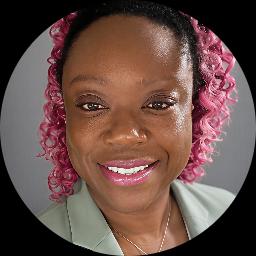
About Porsha
She uses clear, concrete tools to address communication problems and impulsivity. Sessions include work on emotional regulation, problem-solving, and clearer boundaries. She draws on mindfulness and behavioral strategies to reduce overwhelm and build steady habits.
Her methods blend person-centered conversation with structured techniques from cognitive behavioral therapy and narrative approaches. Hypnotherapy is also part of her toolkit when clients are open to it. Together these approaches help clients rewrite unhelpful patterns and try new ways of responding.
Porsha earned a Master of Science in Vocational Rehabilitation Counseling from the University of Hawaii and a bachelor’s degree in Psychology from the University of North Florida. She has six years of clinical experience and is a retired Senior Non-Commissioned Officer from the United States Air Force, which informs her understanding of veteran and armed forces issues.
In sessions she focuses on small, manageable changes people can practice between meetings. The goal is clearer communication, fewer reactive moments, and stronger day-to-day coping. People who want straightforward, collaborative support often find this approach useful.
Areas of expertise
Primary focus
Also works with
Additional focus areas
Therapeutic approaches
Experience
6+ years
Credentials
Florida
Languages
English
How her approaches translate to online work
Client-centered therapy focuses on the client’s needs and priorities. In practice this means the therapist listens closely and helps the client set goals and try steps that feel doable. Cognitive Behavioral Therapy, or CBT, looks at how thoughts and actions influence feelings and teaches exercises to change unhelpful patterns. These methods are often used for anxiety, mood challenges, and managing ADHD-related behaviors.Finding the right approach is part of the work. The therapist will collaborate with each person to choose or blend methods based on their goals and what feels comfortable. This is a team effort where adjustments are expected as progress unfolds.
Confirm current session options before booking, as formats are not specified here. Online therapy can make it easier to fit sessions into a busy week, reduce travel time, and allow for shorter check-ins when needed. It can also support continuity for people who move or travel for work, and it lets clients practice skills in everyday settings and then talk about how they went in the next session.
Frequently asked questions
What problems does Porsha commonly address?
She works with stress, anxiety, ADHD-related challenges, self-esteem, parenting and family-related stress, and mood concerns. Additional focuses include communication problems, impulsivity, forgiveness, and life purpose.
What is her general therapy style?
Her style is collaborative and person-centered, with an emphasis on practical skills. Sessions mix conversation with concrete exercises clients can practice between meetings.
How much clinical experience does she have?
She has six years of professional experience as a licensed counselor. Her background includes work informed by military service and veteran-related concerns.
What credential and region does she hold?
She is a Florida Licensed Mental Health Counselor, abbreviated as LMHC, and practices in Florida.
Which languages are supported for sessions?
Sessions are offered in English.
Can people outside the U.S. work with her?
She does not accept international clients at this time.
How do fees and subscriptions work?
Cost varies with location and therapist availability, and sessions use a subscription model that can be canceled at any time.
How do I begin therapy with her?
Select the Start Therapy button, complete a short matching questionnaire, and schedule a session according to therapist availability.