- Attachment-based care
- CBT skills
- Trauma informed
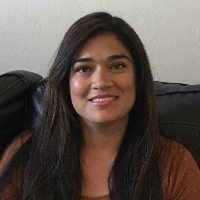
About Rachel
She emphasizes how early attachments shape present relationships and feelings. That perspective helps clients see why they react a certain way and where change can begin. Rachel also uses cognitive-behavioral techniques to spot and shift unhelpful thoughts and behaviors.
Her background includes work in group homes, schools, addiction treatment, and adult residential programs. Those roles gave experience with a wide range of concerns, including trauma, grief, addiction, parenting struggles, and relationship problems. Rachel has also worked with at-risk children and adolescents in school-based counseling settings.
Sessions focus on identifying existing strengths and building new coping skills. Rachel tends to be empowering and advocacy-minded, helping people set realistic goals and practice different ways of relating. She also draws on attachment-based ideas to support longer-term change.
Rachel is an army wife with many years of involvement in military family life and a history of supporting veterans and service members. Outside of work she stays busy with her children's school and sports activities and community involvement.
Areas of expertise
Primary focus
Also works with
Additional focus areas
Therapeutic approaches
Experience
8+ years
Credentials
Arizona
Languages
English
How attachment work and skills-based therapy translate online
Attachment-based work looks at how early bonds shape current relationships and emotional habits. Online sessions using this approach focus on talking through relationship stories, noticing repeated patterns, and trying different ways of connecting. Cognitive Behavioral Therapy is skill-focused and helps people notice unhelpful thoughts and test new behaviors; virtually this often means setting small practice tasks between sessions and reviewing results together.Choosing the right approach is part of therapy. The therapist will collaborate with each person to decide which methods fit their goals, needs, and preferences. That decision can change over time as progress is made and new priorities emerge.
If you prefer online sessions, confirm the current session options before booking so you know what formats are offered. Online work can make it easier to fit appointments into busy days, allow shorter check-ins when needed, and support steady practice of skills between meetings. Licensed professionals can guide the process and adapt approaches so care fits daily life and real-world demands.
Frequently asked questions
What kinds of concerns does Rachel address?
She works with stress, anxiety, depression, relationship and intimacy issues, trauma and abuse, addiction, grief, parenting challenges, anger, and coping with life changes among other concerns.
How would you describe her therapy style?
Her style combines attachment-focused conversation with practical skills work. Sessions often include identifying patterns from past relationships and practicing new ways of thinking and responding.
What is her clinical background?
Rachel has eight years of clinical practice and experience in group homes, schools, addiction programs, and adult residential settings working with diverse needs.
What credentials and region does she practice in?
She holds an LMFT license and practices in Arizona.
Which languages are supported in sessions?
Sessions are offered in English.
Can international clients work with her?
She does not accept international clients at this time.
How are fees and payment handled?
Costs vary by location and therapist availability; sessions use a subscription that can be canceled at any time.
How do I begin working with her?
Select the Start Therapy button, complete the short matching questionnaire, and schedule according to therapist availability.