- Short term focused
- Goal oriented
- LGBT affirming
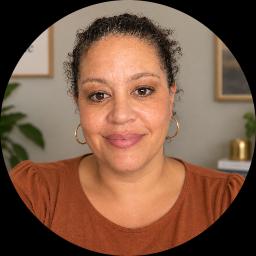
About Rachel
Her approach is to tailor conversations and plans to each person's needs. She listens first, then helps set small, practical goals. Sessions often include looking at thoughts and behaviors, trying different ways to cope, and practicing steps to reach clearer choices.
Rachel also supports people facing trauma, addiction, and issues around intimacy and parenting. She draws on several methods, including acceptance and commitment ideas, cognitive strategies, and client-centered work to match each person's situation. She uses motivational techniques to help people find their own drive for change.
She believes starting therapy takes courage and aims to empower people through steady, practical support. Rachel emphasizes respect and sensitivity in every conversation. Prospective clients should confirm current session options before booking to be sure they fit their needs.
Background and approach: Rachel combines direct, plain language with structured skills practice. She helps people notice what matters to them, test small changes, and build routines that reduce stress. Her work is collaborative and goal-focused, with attention to emotional safety and pacing. Throughout, she keeps plans flexible so they fit real life and changing priorities.
Areas of expertise
Primary focus
Also works with
Additional focus areas
Therapeutic approaches
Experience
4+ years
Credentials
Texas, California, Massachusetts, North Carolina
Languages
English
Therapeutic approaches and online care
Acceptance and Commitment Therapy, or ACT, helps people clarify their values and take small actions that match what matters most. It can be useful for stress, anxiety, and coping with life changes by focusing on meaningful steps rather than trying to eliminate every difficult thought. Cognitive Behavioral Therapy, or CBT, looks at patterns of thought and behavior and teaches practical skills to change unhelpful cycles. It often helps with anxiety, depression, and problems that feel stuck.Finding the right approach is part of the work together. The therapist will talk with each person about goals and preferences and then try methods that fit those aims. That process is collaborative and can shift as needs change.
Session logistics can affect what works day to day, so confirm the current session options before booking. Online therapy can make it easier to fit sessions into a busy life, allow shorter check-ins when that is helpful, and remove the need to travel to appointments. Licensed professionals can use the approaches described above in remote sessions to teach skills, set goals, and track progress in ways that fit a client's routine.
Frequently asked questions
What concerns does Rachel address?
She helps people with stress, anxiety, depression, addiction, trauma, and LGBT-related issues, plus relationship and parenting concerns.
What is her therapy style like?
Sessions are collaborative and goal-focused, with plain talk and practical steps to reduce distress and build coping skills.
How much clinical experience does she have?
Rachel has four years of professional experience working with a range of concerns including stress, anxiety, and life transitions.
What credentials and location are listed?
She holds an LCSW and practices in California. Licensing details include NC LCSW and TX LCSW as listed.
Which languages are supported and can international clients join?
Sessions are offered in English, and international clients are not currently accepted.
What session formats are available?
The original biography does not specify session formats; please confirm current session options before booking.
How does payment or cost work?
Cost varies with location and therapist availability; sessions use a subscription that can be canceled at any time.
How do I begin working with Rachel?
Select the Start Therapy button, complete a short matching questionnaire, and schedule based on therapist availability.