- Person-centred approach
- Trauma-informed support
- Practical coping skills
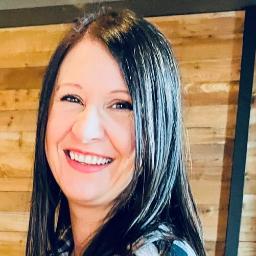
About Rachel
Rachel listens without judgement and works collaboratively to clarify concerns. She helps people make sense of stress, anxiety, depression and major life changes such as bereavement or relationship difficulties. She also supports those coping with trauma, abuse and low self-esteem.
Her background includes volunteer roles with Victim Support Scotland and Healed Scars, where she supported people affected by emotional abuse, domestic and sexual violence. That experience informs how she responds to trauma and safety issues in counselling.
Rachel combines person-centred practice with approaches such as Acceptance and Commitment Therapy (ACT), Cognitive Behavioural Therapy (CBT) and Attachment-Based ideas. This lets her adapt to practical goals and emotional processing as needed. She uses skills from Dialectical Behaviour Therapy (DBT) when emotion regulation is a focus.
She holds a COSCA-accredited Diploma in Counselling and a COSCA Certificate in Counselling, and is a member of the British Association for Counsellors and Psychotherapists (MBACP) and the National Counselling Society. Rachel works from the United Kingdom and offers sessions in English.
Areas of expertise
Primary focus
Also works with
Additional focus areas
Therapeutic approaches
Experience
5+ years
Credentials
BACP · United Kingdom
Languages
English
How Rachel’s approaches can work online
Rachel uses Acceptance and Commitment Therapy to help people notice unhelpful thoughts and choose actions that match their values; this can be useful for anxiety, depression and coping with life changes. Attachment-based ideas are used to look at how early relationships shape current patterns, which can help with intimacy and trust issues.She also brings a client-centred stance, which means sessions focus on the person's experience and priorities rather than a fixed agenda. Choosing an approach is a collaborative process and the therapist will help work out which methods suit the person's goals and preferences as therapy progresses.
Practical benefits of online therapy include easier fitting of sessions around work and family life and fewer travel demands. Online work can make shorter check-ins simple and allow flexible scheduling for people in different locations, including international clients. Because formats were not specified in the biography, confirm which session types are available before booking to make sure they fit your needs and technology.
Frequently asked questions
What concerns does Rachel help with?
She supports people with stress, anxiety, depression, grief, trauma and relationship issues, as well as concerns like addiction, ADHD and self-esteem.
What style of therapy does she use?
Rachel works in a person-centred, integrative way and draws on ACT, CBT, DBT and attachment-based ideas to suit each person's needs.
What is her clinical background?
She has five years' experience and has volunteered with Victim Support Scotland and Healed Scars, supporting people affected by emotional abuse and violence.
Where is she based and what credential does she hold?
Rachel practises in the United Kingdom and is registered with the British Association for Counsellors and Psychotherapists as MBACP.
Which languages are available for sessions?
Sessions are offered in English and Rachel accepts international clients.
What session formats are offered?
Please confirm current session options before booking, as the biography does not list specific formats.
How are sessions charged?
Cost varies with location and therapist availability; sessions use a subscription that can be cancelled at any time.
How do I begin working with Rachel?
Click the Start Therapy button, complete a short matching questionnaire, and schedule a session according to the therapist's availability.