- Attachment-informed care
- Goal and skill building
- Support for caregivers
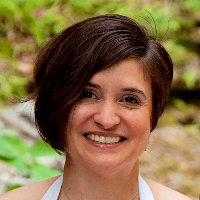
About Rachel
She uses an approach grounded in attachment-based ideas and cognitive behavioral techniques. That means she pays attention to how past relationships shape current feelings, while also helping people notice unhelpful thoughts and try new behaviors. She blends these methods with client-centered listening and mindfulness exercises to make change manageable.
Rachel works with people facing a wide range of concerns. These include grief, intimacy issues, anger, career transitions, bipolar symptoms, family-of-origin problems, and issues related to autism and intellectual disability. She also supports caregivers and people coping with chronic illness, disability, or the impact of disasters.
In sessions she helps clients set concrete goals, build routines, and practice skills like problem solving, time management, and conflict resolution. She also offers coaching-style support while people try out new ways of relating and organizing daily life. Her style aims to empower clients while keeping goals realistic and clear.
Rachel brings personal perspective to work with caregivers of people on the autism spectrum, and she prioritizes practical tools alongside deeper exploration of meaning and identity. To begin, visitors follow the site process to match with her and schedule a first appointment.
Areas of expertise
Primary focus
Also works with
Additional focus areas
Therapeutic approaches
Experience
23+ years
Credentials
Pennsylvania
Languages
English
Using therapy approaches online to find direction and skills
Attachment-Based Therapy focuses on how early relationships affect current emotions and patterns. Online work can help people notice relationship habits, practice new ways of connecting, and reduce repeated conflicts or fear of closeness.Cognitive Behavioral Therapy, or CBT, looks at the links between thoughts, feelings, and behavior. In remote sessions clients learn to identify unhelpful thoughts, try small behavioral experiments, and build routines that reduce anxiety and depression symptoms.
Finding the right approach is part of therapy. The therapist will work together with each person to choose methods that match their goals and day-to-day needs. That choice can change as progress is made and new challenges appear.
Confirm the available session options before booking so you know what formats are offered. Online therapy can make scheduling easier, allow shorter check-ins when time is limited, and reduce travel time so sessions fit into work or family days. It also makes it possible to continue care through life changes while focusing on practical skills, problem solving, and meaning.
Frequently asked questions
What concerns can be addressed in sessions?
She helps with stress, anxiety, depression, relationship and parenting concerns, trauma and abuse, grief, anger, bipolar symptoms, and career issues among others.
What is Rachel's general therapy style?
The approach is warm, empowering, and collaborative. She blends attachment-based, client-centered, cognitive behavioral, existential, and mindfulness methods to match each person's needs.
How much clinical experience does she have?
She has 23 years of experience offering counseling in varied professional settings and with diverse clients.
What credentials and location apply?
She is a Licensed Professional Counselor, LPC, practicing in Pennsylvania.
Which languages are supported during sessions?
Sessions are offered in English.
Are international clients accepted?
International clients are not currently accepted.
How are costs and payment handled?
Cost varies with location and therapist availability; sessions use a subscription that can be canceled at any time.
How do I begin working with her?
Click the Start Therapy button, complete a short matching questionnaire, and schedule according to therapist availability.