- Practical coping skills
- Mindfulness and ACT
- Values based work
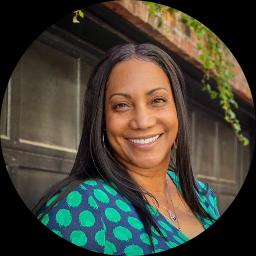
About Rhonda
She draws on common-sense approaches to help clients identify what drives their feelings. Sessions often include learning new ways to manage stress, improving communication, and finding better balance between work and life. Rhonda also helps people explore identity concerns such as LGBT issues and gender dysphoria in a respectful way.
Rhonda uses a mix of methods rather than one strict style. She may introduce mindfulness practices to reduce reactivity, cognitive-behavioral tools to spot unhelpful thinking, and acceptance-based ideas to clarify values and next steps. The aim is practical change that fits each person’s day-to-day life.
Her experience includes work with trauma and abuse, grief, addictions, parenting strain, and compassion fatigue. She also supports people facing medical or caregiving challenges, body image problems, and relationship struggles. Rhonda’s background includes helping people recover from loss and rebuild routines.
People who choose Rhonda can expect calm, respectful sessions that focus on what needs to change next. She works collaboratively, pacing the work to match each person’s goals and life demands. Prospective clients should confirm current session options before booking.
Areas of expertise
Primary focus
Also works with
Additional focus areas
Therapeutic approaches
Experience
15+ years
Credentials
Michigan
Languages
English
How Rhonda’s Approaches Shape Online Work
Rhonda commonly uses Acceptance and Commitment Therapy and Cognitive Behavioral Therapy in simple, practical ways. Acceptance and Commitment Therapy (ACT) focuses on clarifying what matters to a person and taking small steps toward those values, which can help with life changes, stuckness, and depression. Cognitive Behavioral Therapy (CBT) helps people spot and change unhelpful thinking and routines, which is useful for anxiety, insomnia, and mood shifts.Finding the right approach is part of the work. Rhonda will talk with each person about goals and try methods that fit their needs and preferences. Together they decide which tools to use and how to shape sessions so progress matches daily life and responsibilities.
Session formats are not specified here, so confirm the exact options before booking. Online work can make it easier to fit therapy into a busy schedule, reduce travel time, and allow shorter check-ins when needed. It also makes it possible to continue momentum during life transitions when in-person meetings would be harder. Licensed professionals aim to adapt exercises, mindfulness practices, and behavioral tasks to an online setting so the work stays useful and practical.
Frequently asked questions
What concerns does Rhonda commonly help with?
She works with stress, anxiety, depression, grief, trauma and abuse, addictions, relationship and intimacy issues, and many related concerns such as ADHD, bipolar, and parenting strain.
What is her therapeutic style like?
Rhonda blends practical techniques and listening. She offers tools from cognitive-behavioral and mindfulness approaches alongside acceptance and values-based work.
How much experience does she have?
She has 15 years of clinical experience practicing in Michigan.
What credential does she hold and where is she based?
Rhonda holds an LMSW, which stands for Licensed Master Social Worker, and she practices in Michigan.
Which languages are sessions offered in?
Sessions are offered in English.
Can people outside the United States work with her?
She does not accept international clients at this time.
How is payment handled and what does it cost?
Cost varies with location and therapist availability; sessions use a subscription that can be canceled at any time.
How do I begin working with Rhonda?
Click the Start Therapy button, complete a short matching questionnaire, and schedule according to the therapist's availability.