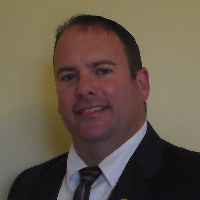
- CBT focused
- EMDR offered
- First responder experience
About Robert
He uses cognitive behavioral therapy to help people identify unhelpful thinking and build practical coping skills. More recently he has offered Eye Movement Desensitization and Reprocessing, or EMDR, for people with trauma-related symptoms. Sessions focus on clear steps and measurable progress rather than vague goals.
Across his career he has provided clinical support in trauma-intensive hospital settings and inpatient behavioral health units. He has led more than 200 critical incident stress debriefings and has worked alongside public safety teams during crisis negotiation and high-stakes incidents. Those roles shaped his approach to acute stress and first responder concerns.
He has contributed therapeutic support after major critical incidents and helped develop wellness programs for a metropolitan police department. He also provides training on identifying warning signs related to active shooter and school violence scenarios for clinicians, schools, and public safety staff.
People who contact him can expect straightforward conversation, practical strategies, and a focus on safety and functioning. Prospective clients who want to begin should confirm current session options and scheduling details before booking.
Areas of expertise
Primary focus
Also works with
Additional focus areas
Therapeutic approaches
Experience
20+ years
Credentials
Florida, North Carolina, California
Languages
English
How CBT and EMDR translate to online work
CBT, or cognitive behavioral therapy, focuses on identifying unhelpful thoughts and practicing concrete skills to change behavior. It often uses short exercises, homework, and real-life experiments to help people manage anxiety, depression, and stress-related problems.EMDR, Eye Movement Desensitization and Reprocessing, is a trauma-focused method that helps lessen the intensity of traumatic memories. In sessions the therapist guides processing of those memories while using bilateral stimulation to support symptom reduction for people with post-traumatic stress and related symptoms.
Choosing the best approach is a collaborative process. The therapist will talk with the client about goals, symptoms, and preferences, and then recommend CBT, EMDR, or a mix based on what seems most helpful. Clients and the therapist can check progress and adjust the plan together as therapy continues.
Session formats are not specified in the biography, so confirm current options before booking. Online sessions can make it easier to fit appointments into a workday, reduce travel time, and allow shorter check-ins when needed. They also let people continue therapy after relocation or when scheduling around shift work and public safety duties is important.
Frequently asked questions
What concerns does he help with?
He works with stress, anxiety, addiction, depression, trauma and related problems like grief, sleep issues, anger, and relationship or family concerns.
What is his therapeutic style?
He uses cognitive behavioral therapy to teach practical coping skills and reduce unhelpful thinking. He also offers EMDR for people with trauma-related symptoms.
What kind of experience does he have?
He brings 20 years of practice, including work in trauma-intensive hospital units, inpatient behavioral health, and extensive critical incident debriefings.
Which credentials and region are listed?
He is identified as a California Psychologist 32975 and a North Carolina Psychologist 5348, and he practices in Florida.
In which languages can sessions be held?
Sessions are offered in English.
Can international clients work with him?
He does not accept international clients at this time.
How are costs handled?
Cost varies with location and therapist availability; sessions use a subscription that can be canceled at any time.
How do I get started?
Use the Start Therapy button, complete the short matching questionnaire, and schedule a session based on the therapist's availability.