- Person-focused care
- Practical strategies
- Service and civilian life
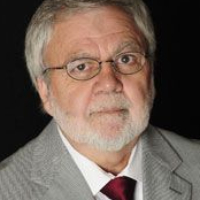
About Robert
He treats stress, anxiety, depression, grief, relationship concerns, and low self-esteem. He also addresses issues that can follow life transitions such as divorce and aging, and concerns like isolation, guilt, control struggles, and trouble with communication. First responder challenges, fatherhood concerns, and end-of-life or hospice-related counseling are among his focus areas.
His approach is collaborative and direct. Sessions look at what is holding a person back and what strengths they already have. He uses a mix of practical strategies and reflective conversation to help people take steps forward.
Dr. Mapes draws on methods such as Acceptance and Commitment Therapy, Cognitive Behavioral Therapy, Dialectical Behavior Therapy, Client-Centered Therapy, and Existential Therapy. He matches techniques to the person and the problem rather than applying one fixed method.
People who reach out can expect clear, respectful conversation about goals and next steps. He welcomes clients who are ready to consider change and willing to try new ways of handling old problems.
Areas of expertise
Primary focus
Additional focus areas
Therapeutic approaches
Experience
25+ years
Credentials
Texas
Languages
English
How different approaches shape online support
Acceptance and Commitment Therapy (ACT) helps people clarify what matters to them and take small committed actions toward those values. It is useful for worry, depression, and feeling stuck when choices feel overwhelming.Cognitive Behavioral Therapy (CBT) focuses on identifying unhelpful thoughts and testing them with real-world steps. It often helps with anxiety, low mood, and solving specific behavior patterns.
Dialectical Behavior Therapy (DBT) offers practical skills for handling strong emotions and improving relationships. It can be helpful when impulsivity or intense emotional reactions get in the way of daily life.
Choosing the right approach is part of the work together. The therapist will listen to your goals and preferences, try different strategies, and adjust the plan as needed. Expect a collaborative process where methods are matched to what you want to change.
The biography does not list specific session formats, so confirm current online options before booking. Online therapy can make it easier to fit sessions into a busy schedule, allow shorter check-ins when time is tight, and reduce travel time on workdays. Licensed professionals can use these approaches effectively in remote sessions, and the focus remains on clear goals and practical steps you can use between meetings.
Frequently asked questions
What concerns does he help with?
He works with stress, anxiety, depression, grief, relationship issues, and self-esteem problems. He also addresses aging and geriatric issues, communication and control problems, and life purpose questions.
What is his style in sessions?
He takes a collaborative, person-centered approach that focuses on each individual's goals. Sessions mix practical skills with reflective conversation to find workable steps forward.
How long has he been practicing?
He has 25 years of professional experience working with a wide range of adult concerns and life transitions.
What are his credentials and where is he located?
He is a Licensed Professional Counselor (LPC) with a practice based in Texas.
Can I see him if I'm not in the United States?
He accepts international clients. Sessions are offered in English.
What session formats are offered?
The original biography does not list specific session formats. Confirm current session options with the service before booking.
How does payment work?
Cost varies with location and therapist availability; sessions use a subscription that can be canceled at any time.
How do I get started?
Use the Start Therapy button, complete the short matching questionnaire, and then schedule according to the therapist's availability.