- Goal focused
- Faith aware
- Skill building
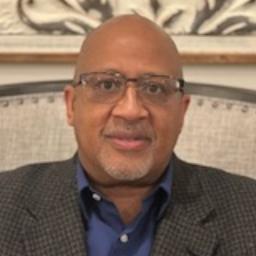
About Robin
Robin favors straightforward conversations and practical steps in sessions. He often uses Cognitive Behavioral Therapy to help people notice and change unhelpful thoughts and behaviors. He also draws on Client-Centered Therapy to prioritize each person’s perspective and Motivational Interviewing to support change when someone feels stuck.
Sessions emphasize clear goals and skill-building. Robin aims to help people develop tools for day-to-day challenges such as managing anger, coping with life changes, or navigating financial and career pressures. He can also incorporate conversations about faith when clients raise those topics.
His style is adaptable, mixing methods to suit what each person needs. He focuses on communication skills, forgiveness, guilt and shame, and self-love work alongside more common concerns like stress and depression. Robin seeks to make sessions approachable and useful rather than theoretical.
People interested in working with him in North Carolina can expect a practical, goal-focused approach. He invites clients to identify concrete changes they want and to practice simple strategies between meetings.
Areas of expertise
Primary focus
Also works with
Additional focus areas
Therapeutic approaches
Experience
12+ years
Credentials
North Carolina, South Carolina
Languages
English
How Robin Uses Practical Therapies Online
Robin commonly draws on Cognitive Behavioral Therapy to help people spot thought patterns that fuel anxiety or low mood and to practice small behavior changes that shift daily routines. Client-Centered Therapy is also part of his approach and means sessions focus on the client's own perspective, with the therapist listening and responding to what matters most to that person.Choosing an approach is a team effort. He will work with each person to find approaches that match their goals and preferences, and may mix methods as needed. That collaborative process helps identify whether to emphasize skill work, motivational conversations, or supportive listening in a given case.
Practical benefits of online therapy include easier scheduling and fitting sessions into a busy week. Online care can let people meet without travel, which can save time and make it simpler to keep regular appointments. Because session formats are not listed in his biography, please confirm current session options before booking so you know what kinds of online sessions are available.
Frequently asked questions
What kinds of concerns does he address?
He helps with grief, anxiety, depression, stress, parenting, anger, addictions, bipolar concerns, relationship and family issues, and related areas like workplace stress and money worries.
How would you describe his therapeutic style?
He uses straightforward, practical methods such as Cognitive Behavioral Therapy and Client-Centered Therapy, plus Motivational Interviewing and Solution-Focused ideas to set goals and build skills.
What is his professional background?
He has 12 years of experience working in the mental health field and has worked with people across a range of common concerns and life stressors.
Where is he based and what credentials does he hold?
He practices in North Carolina and holds the credentials LPC and LCMHC, listed as SC LPC and NC LCMHC in his details.
Which languages are supported for sessions?
Sessions are offered in English only.
Can international clients work with him?
He does not accept international clients at this time.
How does payment and cost work?
Cost varies with location and therapist availability and sessions use a subscription that can be canceled at any time.
How do I begin working with him?
Select the Start Therapy button, complete a short matching questionnaire, and then schedule according to the therapist's availability.