- Attachment focus
- Goal directed
- Culturally aware
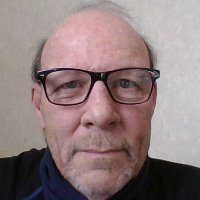
About Roderick
He has 13 years as an LPC and a long history in rehabilitation work dating back to 1987. That background includes running programs for dual diagnosis, developmental disability, and acquired brain injury, and creating a clinical curriculum for a wilderness program addressing substance misuse among Native American youth.
Foley emphasizes a person-centered style. He names honesty, dignity, and respect as the foundations of his work. He also brings a focus on early attachment and on cultural sensitivity to sessions.
In practice he uses several approaches to shape goals and skills training. Cognitive behavioral methods and acceptance-based ideas help with managing thoughts and actions. Attachment-based and client-centered work guide conversations about relationships and family patterns.
He has experience with play work for children, group and individual therapies, and family-focused interventions. He has helped design and run telehealth services since 2016 to reach rural and isolated communities. To begin, clients follow the site process to match and schedule sessions according to therapist availability.
Areas of expertise
Primary focus
Also works with
Additional focus areas
Therapeutic approaches
Experience
13+ years
Credentials
Wyoming
Languages
English
How therapeutic approaches translate to online care
Acceptance and Commitment Therapy (ACT) helps people notice unhelpful thoughts and choose actions that align with their values, which can reduce avoidance and increase meaningful activity. Cognitive Behavioral Therapy (CBT) focuses on identifying unhelpful thinking patterns and testing new behaviors to improve mood and functioning, useful for anxiety, depression, and coping skills. Attachment-Based Therapy looks at early relationship patterns and how they show up now, helping people understand and improve how they connect with others.Finding the right approach is part of the work together. The therapist will talk with each person about goals, preferences, and what feels most useful, then adapt methods rather than sticking rigidly to a single model. That collaborative decision helps sessions stay practical and relevant.
If you are considering online therapy, confirm the session formats before booking so you know what options are offered. Online work can make it easier to fit sessions into busy days, reduce travel time, and allow shorter check-ins when schedules demand. It can also help reach people in rural or isolated areas who otherwise have limited local options. Licensed professionals tailor pace, homework, and exercises so therapy can fit into everyday life.
Frequently asked questions
What concerns does this therapist commonly address?
He works with stress, anxiety, trauma and abuse, parenting, self esteem, depression, addictions, relationship and family issues, grief, anger, career concerns, bipolar disorder, ADHD, and coping with life changes.
What is the therapist's usual approach in sessions?
He practices a person-centered style emphasizing honesty, dignity, and respect, and blends approaches such as cognitive behavioral and acceptance-based work to set goals and build skills.
How long has he been practicing?
He has 13 years as a Licensed Professional Counselor and earlier experience in rehabilitation and program development dating back to 1987.
Where is the therapist based and what credential does he hold?
He is based in Wyoming and holds the LPC credential noted as WY LPC.
Which languages are supported for sessions?
Sessions are offered in English only.
Can people from other countries work with this therapist?
He does not accept international clients at this time.
How does payment and cost work?
Cost varies with location and therapist availability; sessions are provided through a subscription model that can be canceled at any time.
What are the first steps to begin therapy?
Use the Start Therapy button, complete the short matching questionnaire, and schedule sessions according to therapist availability.