- Addictions support
- Client-centered care
- Motivational interviewing
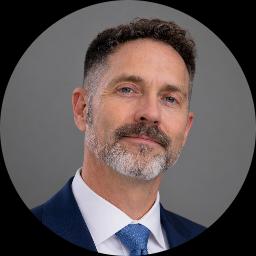
About Roy
He draws on client-centered therapy to follow each person’s lead and motivational interviewing to build commitment to change. Sessions combine practical conversation, problem-solving, and skills practice rather than long lectures. Spiritual or faith-based views can be included when desired and appropriate.
Having served in the United States Marine Corps, he brings an understanding of discipline, structure, and resilience to his work. That background informs how he supports people through life transitions and recovery from addictive behaviors. He works with issues like substance use, process addictions, anger, guilt, shame, and fatherhood concerns.
In sessions, Roy tends to be straightforward and respectful. He listens first, then helps people set small, achievable goals. Over time the focus may shift from safety and stabilization to deeper growth and clearer life direction.
People who choose him can expect a collaborative, goal-focused process. He uses practical tools and plain language to make therapy useful in day-to-day life. If you want to begin, follow the site steps to match and schedule a session.
Areas of expertise
Primary focus
Also works with
Additional focus areas
Therapeutic approaches
Experience
11+ years
Credentials
California, Texas
Languages
English
How his approaches guide online work
Client-centered therapy focuses on following the person's concerns and priorities. The therapist listens closely, reflects what he hears, and helps people find their own solutions. This approach is useful for relationship issues, self-esteem, and navigating life transitions.Motivational interviewing helps people resolve mixed feelings about change. It uses short, focused conversations to build the desire and confidence to act differently. This method is often used for substance use, process addictions, and other behaviors where increasing motivation matters.
Finding the right approach is part of the work together. The therapist will discuss goals, preferences, and what has or hasn't worked before. From that conversation he helps design a plan that fits the person’s needs and pace, and adjusts as progress is made.
Confirm current session format options before booking since formats are not specified here. Online therapy can make it easier to fit sessions into a busy life, reduce travel time, and allow for shorter check-ins when needed. It can also allow people to work around work hours or family obligations. Ask about scheduling and format details when you complete the matching questionnaire.
Frequently asked questions
What concerns does he work with?
He supports people with addictions and addictive behaviors, stress and anxiety, relationship and intimacy issues, parenting and fatherhood concerns, trauma and abuse, and related challenges like codependency and communication problems.
What is his therapeutic style like?
He practices in a client-centered way, listening first and following the person’s lead. Conversations focus on practical steps, goal-setting, and building motivation for change.
What experience does he bring?
He has 11 years of clinical experience and served in the United States Marine Corps, which informs his approach to resilience and life transitions.
What are his credentials and location?
He holds LPCC and LPC credentials (LPCC in California and LPC in Texas) and practices out of California.
Which languages are supported?
Sessions are offered in English.
Can people outside the U.S. work with him?
He is not accepting international clients at this time.
How are sessions billed?
Cost varies with location and therapist availability, and sessions use a subscription that can be canceled at any time.
How do I begin working with him?
Select the Start Therapy button, complete the short matching questionnaire, and then schedule according to therapist availability.