- Client-centered care
- CBT and mindfulness
- Practical goal setting
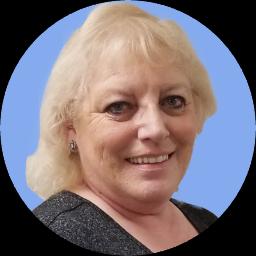
About Sally
With six years of experience, Sally shapes conversations and plans to fit each person’s situation. She uses client-centered methods to listen and build trust. Cognitive Behavioral Therapy offers straightforward tools for changing unhelpful thoughts and habits. Mindfulness techniques are offered to help people notice feelings and reduce reactivity.
Sally also draws on psychodynamic ideas to look at patterns that repeat over time. Solution-focused strategies help set small, practical goals and track progress. She works with concerns such as abandonment issues, codependency, control struggles, mood and personality disorders, first responder stress, veteran and armed forces issues, and post-traumatic stress.
Sessions are tailored to the person rather than a one-size-fits-all model. Conversations cover where you are now and what you want to change. Practical steps and short-term goals are used alongside deeper reflection when it helps.
Sally emphasizes clear communication and collaboration. She adapts pace and focus based on each person’s needs. If you decide to begin, she guides the intake and planning so the work moves forward at a comfortable speed.
Areas of expertise
Primary focus
Also works with
Additional focus areas
Therapeutic approaches
Experience
6+ years
Credentials
Texas, Idaho
Languages
English
How key approaches guide online sessions
Client-Centered Therapy focuses on listening and following the person’s lead. It helps when someone needs support being heard and deciding what matters most to change. Cognitive Behavioral Therapy, or CBT, breaks problems into thoughts, feelings, and actions and teaches clear skills to shift unhelpful patterns. That approach is often useful for anxiety, mood problems, and stress management.Finding the right approach is part of the work. The therapist collaborates with each person to pick methods that match their goals and preferences. That means trying a few ways of working and adjusting the plan as progress is made.
Confirm the session formats before booking, since specific online options are not detailed in the biography. In general, online therapy can make it easier to fit sessions into busy days, reduce travel time, and let people check in from whatever setting works best for them. It can also allow shorter or more frequent touchpoints when needed, and it removes the need to rearrange long commutes. Ask about the available session formats when you schedule to match the practical needs of your routine.
Frequently asked questions
What concerns does Sally commonly help with?
Sally works with stress, anxiety, trauma and abuse, depression, and addictions. She also focuses on issues like abandonment, codependency, control problems, first responder stress, veteran and armed forces issues, mood and personality disorders, and post-traumatic stress.
What is Sally’s therapeutic style like?
Her style is respectful and collaborative with a focus on practical steps. Conversations are tailored to each person, blending listening, short-term goals, and deeper exploration when helpful.
How much clinical experience does she have?
Sally has six years of professional experience working with people on the concerns listed above.
What credentials does Sally hold and where does she practice?
She holds LPC and LCPC credentials and practices in Texas. The LCPC and LPC abbreviations are presented as provided.
Which languages are used in sessions?
Sessions are offered in English.
Can international clients work with Sally?
She is not currently accepting international clients.
How are sessions paid for and what do they cost?
Cost varies with location and therapist availability, and sessions use a subscription that can be canceled at any time.
How do I begin therapy with her?
Use the Start Therapy button, complete a short matching questionnaire, and schedule based on the therapist’s availability.