- Stress and anxiety
- Grief and loss
- Sleep and mood
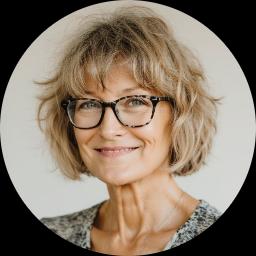
About Sally
Her sessions tend to focus on clear, usable steps rather than long theory. She encourages people to talk about what matters, try small changes, and notice what works. Health habits like eating and sleep are often part of the work when they affect mood and energy.
Dr. Good uses approaches drawn from Acceptance and Commitment Therapy, Client-Centered Therapy, and Cognitive Behavioral Therapy. She describes therapy as a collaborative process and adapts methods to each person’s goals. She is the author of a gratitude and prayer journal and a book called Preventing Dementia Using Gentle Lifestyle Changes, and she hosts the podcast Goodbody/Goodbrain.
Her background includes two decades of clinical work in Texas. She holds the credential TX Psychologist 33204. She offers services in English and does not work with international clients at this time.
If you are thinking about coaching, life changes, or managing ongoing symptoms like insomnia or low mood, she can help you set practical goals and try manageable strategies.
Areas of expertise
Also works with
Additional focus areas
Therapeutic approaches
Experience
20+ years
Credentials
Texas
Languages
English
How her approaches shape online therapy
Acceptance and Commitment Therapy (ACT) helps people notice difficult thoughts without getting stuck in them and focus on values-based action. It can be useful for anxiety, stress, and decisions about life direction. Client-Centered Therapy emphasizes being heard and understood; the therapist follows the client's lead and creates space for honest talk. Cognitive Behavioral Therapy (CBT) looks at patterns of thought and behavior and teaches practical skills to change unhelpful cycles.Choosing the right approach is part of the work together. The therapist will talk with the client about goals, try methods, and adjust based on what feels most helpful. That collaborative process helps find an approach that fits the person's needs and preferences.
This profile does not list specific online session formats, so confirm current options before booking. Online therapy can make it easier to fit sessions into a busy life, cut travel time, and allow shorter check-ins when needed. It also lets people work on sleep, mood, and daily routines from the settings that are most convenient for them. A licensed professional will discuss which approach and scheduling style best match the client’s goals.
Frequently asked questions
What concerns does Dr. Good address?
She works with stress, anxiety, grief, depression, low self-esteem, sleep problems, career questions, and coaching for life changes. Additional focuses include aging and geriatric issues, caregiver stress, and multicultural concerns.
How would you describe her therapy style?
Her style is practical and collaborative. She focuses on short, usable steps, everyday habits, and talking through what matters to each person.
What kind of clinical approaches does she use?
She draws on Acceptance and Commitment Therapy (ACT), Client-Centered Therapy, and Cognitive Behavioral Therapy (CBT) to guide treatment and match techniques to client goals.
What is her professional background and experience?
She has 20 years of clinical experience and is the author of a gratitude and prayer journal plus a book about lifestyle steps to reduce dementia risk. She also hosts a podcast called Goodbody/Goodbrain.
Where is she licensed and which languages are supported?
She practices in Texas and holds the credential TX Psychologist 33204. Sessions are offered in English.
Can international clients work with her?
She does not accept international clients at this time.
How does payment and cost work?
Cost varies with location and therapist availability; sessions use a subscription model that can be canceled at any time. Exact rates depend on the matched therapist and region.
What are the steps to begin therapy?
Use the Start Therapy button, complete a short matching questionnaire, and then schedule sessions based on the therapist's availability.