- Stress and anxiety
- Relationship support
- Career coaching
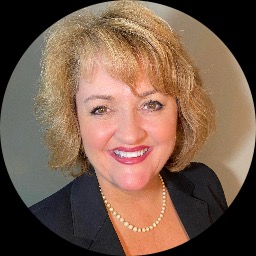
About Sara
She helps people identify the patterns that keep them stuck and tries to replace those patterns with concrete steps. That work can touch self-esteem, confidence, forgiveness, and repairing or letting go of relationships. She also supports people facing caregiving strain, chronic illness or disability, body image concerns, and feelings of isolation.
Her approach draws from client-centered work, cognitive behavioral techniques, dialectical behavior strategies, EMDR, and the Gottman Method. In sessions she listens, helps name what matters most, and suggests small skills or experiments people can try between meetings. Therapy is framed as a partnership rather than a lecture.
Dr. Lewis-Stankus has helped people navigate losses, betrayal, and the stress of changing life roles. She also addresses control issues, impulsivity, guilt, shame, and the emotional fallout of separation or disaster. Her long experience is used to tailor practical steps to each person’s goals.
People looking to begin are encouraged to think about what matters most to them right now. The work that follows is paced to match readiness and real life, with a focus on building solutions that carry over outside the therapy room.
Areas of expertise
Primary focus
Additional focus areas
Therapeutic approaches
Experience
26+ years
Credentials
West Virginia, California, Florida
Languages
English
Approaches you can use online
Client-centered therapy focuses on listening and creating an accepting space so people can find their own answers; it helps when someone needs support making changes without feeling judged. Cognitive Behavioral Therapy, CBT, looks at the links between thoughts, feelings, and actions and introduces practical tools to reduce anxiety or change unhelpful habits. Dialectical Behavior Therapy, DBT, adds skills for handling strong emotions and improving relationships through steady skill-building.Finding the right approach is part of the work. The therapist will collaborate with each person to decide which methods fit their goals and preferences. That might mean trying different techniques and adjusting as progress is made.
The biography does not list specific online session formats, so confirm current options before booking. Online sessions can make it easier to fit therapy into a busy week, shorten travel time, or allow for a quicker check-in when schedules are tight. Many people find that remote sessions help them keep momentum between meetings while still working on concrete skills and relationship patterns.
Frequently asked questions
What concerns does she help with?
She works with stress, anxiety, relationship issues, self-esteem, and career concerns. Additional focus areas include grief, isolation, caregiving stress, body image, and communication problems.
What is her therapeutic style like?
Her style is client-centered and practical. She listens without judgment and offers skills and small experiments people can try between sessions.
How much experience does she bring?
She has 26 years of professional work experience as a counselor. That background informs flexible, goal-oriented support.
What credentials and location are listed?
She holds LPC and LMHC credentials and practices from West Virginia. The credentials are listed as LPC and LMHC.
Are sessions offered in other languages?
Sessions are offered in English. International clients are accepted.
Which session formats are available?
Session formats are not specified in the biography. Please confirm current session options with the service before booking.
How are fees and payment handled?
Cost varies with location and therapist availability, and sessions use a subscription that can be canceled at any time. Exact pricing depends on the chosen plan.
How do I start working together?
Use the Start Therapy button, complete the short matching questionnaire, and schedule based on the therapist's availability.