- Warm and interactive
- Practical coping skills
- Strengths focused
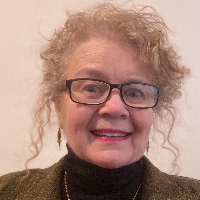
About Sara
With 26 years of clinical experience, she draws on several therapy styles to fit each person’s needs. Sara uses attachment-based work to look at how early relationships affect current bonds. She also uses client-centered methods that put the person’s experience at the center of the work. Dialectical Behavior Therapy tools appear when people need clear skills for emotion regulation and distress tolerance.
Sara’s background includes broad clinical roles and work with trauma, addiction, and complex health issues. She has helped people facing chronic pain, caregiving stress, blended family challenges, and recovery from abuse or substance problems. Her history includes community mental health, inpatient adolescent care, and long-standing private practice in Tennessee.
She explains goals in plain language and focuses on small, manageable changes. Sessions cover communication skills, boundary-setting, coping strategies, and healing from loss or attachment wounds. Sara builds on strengths, hopes, and practical steps to improve daily life.
People who want a therapist who mixes experience with steady support may find her approach helpful. Before booking, confirm current session formats and scheduling details through the Start Therapy process.
Areas of expertise
Primary focus
Also works with
Additional focus areas
Therapeutic approaches
Experience
26+ years
Credentials
Tennessee
Languages
English
How her approaches translate to online work
Attachment-Based Therapy looks at how early bonds shape current relationships. Online sessions can use this approach to help people notice patterns, name needs, and practice new ways of connecting. Client-Centered Therapy focuses on the person’s experience and priorities. In remote sessions this means the therapist follows the client’s lead, listens closely, and helps the client feel understood while setting achievable goals. Dialectical Behavior Therapy (DBT) provides concrete skills for managing intense emotions and distress. DBT-style work online can teach grounding, emotion regulation, and communication skills that people can use between sessions.Finding the right approach is part of the work. The therapist will discuss goals, preferences, and what feels useful, and then shape the plan together. This collaborative process helps match methods to each person’s needs rather than assuming one way fits everyone.
Session formats are not specified here, so confirm current options before booking. Online sessions can make it easier to fit therapy into busy days, reduce travel time, and allow a shorter check-in when schedules are tight. They also let people use tools and exercises between meetings and practice new skills in everyday life. Talk with the therapist during the initial matching step to learn which formats she offers and what will work best for your situation.
Frequently asked questions
What kinds of concerns does she address?
Sara works with stress, anxiety, depression, trauma and abuse, relationship and intimacy issues, grief, parenting strain, addictions, and coping with life changes among other concerns.
What is her therapeutic style like?
Her style is warm, interactive, and person-centered. She focuses on building trust, using clear skills and practical steps to help with emotion regulation and communication.
How much clinical experience does she have?
She brings 26 years of clinical experience working across community mental health, adolescent inpatient care, and private practice settings.
What credentials and location does she hold?
She is a Tennessee LCSW and provides services based in Tennessee.
Which languages are supported for sessions?
Sessions are offered in English.
Can international clients work with her?
She does not accept international clients at this time.
How are fees and billing handled?
Cost varies with location and therapist availability; sessions use a subscription that can be canceled at any time.
How do I begin working with her?
Use the Start Therapy button, complete a short matching questionnaire, and then schedule according to therapist availability.