- Direct supportive care
- Works in English and Spanish
- Ten years experience
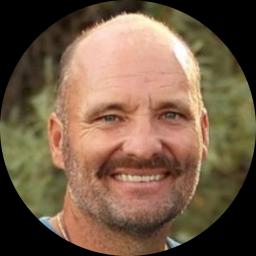
About Sean
He focuses on practical conversation and clear steps in sessions. Sean listens for patterns that keep people stuck, then works with them to try different ways of coping and relating. That may include looking at relationship habits, addressing attachment or abandonment worries, and talking through difficult emotions like guilt or shame.
Sean brings ten years of experience in social work to his clinical work in Utah. He also spends time supporting people with chronic pain or illness, midlife transitions, veteran and armed forces issues, and obsessive or panic symptoms. His approach aims to meet each person where they are and help them test changes that feel manageable.
Sessions are offered in English and Spanish. He emphasizes collaboration - deciding goals together and adjusting the plan as things change. The practice aims to create steady progress through short, practical steps rather than sweeping promises.
Clients who want to begin will be asked about current struggles, what has and hasn’t helped, and what they hope to change. From there Sean and each person choose a pace and focus that fits daily life and responsibilities.
Areas of expertise
Primary focus
Additional focus areas
Experience
10+ years
Credentials
Utah
Languages
English, Spanish
Evidence-based approaches and online care
Many evidence-based therapeutic techniques focus on changing unhelpful thoughts and behaviors and building healthier relationships. Cognitive approaches look at thinking patterns that fuel anxiety, depression, and obsessions and teach tools to test and shift those thoughts. Behavioral strategies emphasize practical exercises and small changes to reduce avoidance, manage panic, and interrupt compulsive habits.Another helpful strand concentrates on attachment and relationships. This approach explores how early and current relationship patterns shape trust, communication, and reactions to loss or abandonment. It can help people improve communication, set boundaries, and reduce feelings of isolation.
Finding the right approach is part of the work. The therapist will collaborate with each person to choose methods that match their goals, needs, and preferences. That might mean mixing thinking-focused exercises with relationship work and practical skill-building as progress is reviewed and adjusted.
Session formats are not specified in the biography, so confirm current options before booking. Online therapy can make it easier to fit sessions into a busy life, allow shorter check-ins when schedules require, and reduce travel time so people can use breaks from work or home responsibilities. Talk with the therapist about what will fit your routine and communication preferences.
Frequently asked questions
What concerns does Sean commonly address?
He works with stress, anxiety, depression, addictions, relationship strain, and self-esteem struggles, plus related issues like attachment, guilt, and midlife transitions.
What is his general therapy style?
Sessions focus on clear, practical conversation and working together to try new coping strategies. He aims for straightforward guidance without judgment.
How much clinical experience does he have?
He has ten years of experience as a licensed clinical social worker helping people with a range of emotional and life challenges.
What credentials and region does he practice in?
He holds an LCSW credential and practices in Utah.
Which languages are sessions offered in?
Sessions are offered in English and Spanish.
Can people outside the United States work with him?
He does not accept international clients at this time.
How are session costs handled?
Cost varies with location and therapist availability, and sessions use a subscription that can be canceled at any time.
How do I begin working with him?
Click the Start Therapy button, complete a short matching questionnaire, and schedule according to the therapist's availability.