- Strengths-based
- Skill focused
- Person-centered
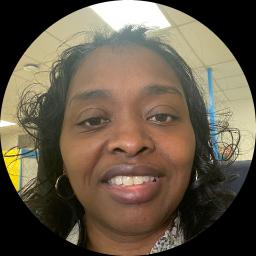
About Shaterrika
Shaterrika emphasizes straightforward support and practical steps. Sessions are aimed at helping people regain confidence, sort through family problems, and find ways to cope when life shifts unexpectedly. She encourages small, sustainable changes that fit into everyday life.
Her approach centers on listening first and adapting methods to each person. She brings together client-centered listening with tools from cognitive behavioral and dialectical behavior therapy when helpful. The focus is on clear skills and real-world strategies rather than labels or long theoretical talks.
Shaterrika also attends to concerns tied to chronic pain or illness, fertility matters, multicultural stressors, military-related issues, and pregnancy and childbirth. She can help people who struggle with codependency or who experience self-harm urges by creating step-by-step plans and safety-focused conversations.
People considering beginning work with her are invited to reflect on what they most want to change. She supports goal-setting and steady progress, while respecting each person's pace and preferences.
Areas of expertise
Primary focus
Additional focus areas
Therapeutic approaches
Experience
16+ years
Credentials
Louisiana
Languages
English
How her approaches work in online therapy
Client-centered therapy is built on listening and respect. The therapist follows each person’s lead, helping them name goals and choose what matters most. This approach is useful when someone needs a calm space to sort through feelings and decide on next steps.Cognitive behavioral therapy, or CBT, focuses on connecting thoughts, feelings, and actions. It uses clear exercises and homework to change unhelpful thinking patterns and improve coping. CBT can help with low self-esteem, ADHD-related challenges, and adjusting to life changes.
Dialectical behavior therapy, or DBT, adds skills for managing strong emotions and improving interpersonal effectiveness. It teaches methods for distress tolerance and emotion regulation that can be applied in everyday moments.
Deciding which approach to use is collaborative. The therapist will talk about options, try methods in session, and adjust based on what helps most. Clients are involved in setting goals and choosing techniques that fit their life.
Confirm current session options before booking so you know what formats are offered. Online work can make it easier to fit therapy into a busy schedule, shorten check-ins when needed, and use tools like worksheets or skill practices between meetings. The focus is on making therapy practical and usable in daily life rather than on any single delivery method.
Frequently asked questions
What kinds of concerns does she help with?
She helps people with relationship struggles, family problems, low self-esteem, ADHD, and coping with life changes. Additional focus areas include chronic pain or illness, fertility issues, multicultural concerns, pregnancy and childbirth, veteran and armed forces issues, codependency, and self-harm.
What is her therapeutic style like?
She uses a client-centered style that emphasizes listening and collaboration. Practical skills from cognitive behavioral therapy and dialectical behavior therapy are used when they fit the person's goals.
How long has she been practicing?
She has 16 years of professional experience working with people on relationship and life transition issues.
Where is she licensed and located?
She is a Licensed Professional Counselor (LPC) in Louisiana and practices there.
Which languages are supported?
Sessions are offered in English.
Can people outside the United States work with her?
International clients are not currently accepted.
How are fees and payment handled?
Cost varies with location and therapist availability, and sessions use a subscription that can be canceled at any time.
How do I begin working with her?
Click the Start Therapy button, complete a short matching questionnaire, and schedule according to therapist availability.