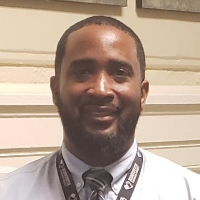
- Person-focused care
- Practical skills
- Goal oriented
About Sherron
Sherron draws on eight years of clinical experience in Georgia. He uses straightforward, person-focused methods and listens first to understand what matters to each person. Sessions aim to identify small, practical steps that move someone toward clearer goals and less pain.
His approach borrows from client-centered work, cognitive behavioral techniques, dialectical behavior ideas, mindfulness, and motivational interviewing. That means conversations focus on the person’s priorities, beliefs that keep problems going, skills for handling intense feelings, and short-term goals that build momentum.
In sessions Sherron checks in on what’s working and what isn’t. He helps people spot unhelpful thinking patterns and try different responses. He also offers grounding and mindfulness practices when feeling overwhelmed or triggered.
People who prefer a direct, respectful style may find his approach useful. He encourages collaboration about goals and steps. To begin, people complete a short matching questionnaire and then schedule according to availability.
Areas of expertise
Primary focus
Also works with
Additional focus areas
Therapeutic approaches
Experience
8+ years
Credentials
Georgia
Languages
English
How certain approaches shape online therapy
Sherron uses client-centered methods that focus first on what matters to the person. That approach means sessions begin with listening and with the person setting goals. Cognitive behavioral therapy (CBT) helps people identify thoughts and behaviors that keep problems going and then try specific experiments to change them. Dialectical behavior therapy (DBT) offers concrete skills for managing intense emotions and improving how someone relates to others.Finding the right approach is part of the work together. The therapist will talk with the person about their goals, symptoms, and daily life and then suggest methods to try. Decisions about which techniques to use are made collaboratively and can change over time if something isn’t helping.
Session formats are not specified in the biography, so confirm current options before booking. Online therapy can make it easier to fit sessions into a busy week, reduce travel time, and allow shorter check-ins when needed. It can also let people try skills practice between meetings and bring real-life examples from their day into the session for immediate feedback.
Frequently asked questions
What concerns does this therapist help with?
Sherron supports people with stress, anxiety, trauma and abuse, anger, self-esteem, depression, addictions, relationship and family issues, grief, intimacy-related issues, bipolar, and ADHD. He also addresses related areas like caregiver stress, chronic illness, divorce, and communication problems.
What is the therapeutic style like?
He practices a person-focused style that starts with listening. Sessions emphasize practical steps, skill-building, and tracking progress toward clear goals.
How much clinical experience does he have?
He has eight years of experience working in clinical settings and with people facing a range of mental health and relationship challenges.
What credentials and location are listed?
He holds LCSW and CSW credentials and practices in Georgia.
Which languages are available for sessions?
Sessions are offered in English.
Can international clients work with this therapist?
International clients are not currently accepted.
How are sessions paid for and what does it cost?
Cost varies with location and therapist availability; sessions use a subscription that can be canceled at any time.
How do I get started if I want to work with him?
Select the Start Therapy button, complete a short matching questionnaire, and schedule according to therapist availability.