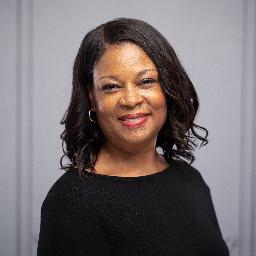
- Collaborative approach
- Practical coping skills
- Focus on relationships
About Sherry
She has about 11 years of clinical experience working with a wide range of issues. These include trauma and abuse, grief, bipolar disorder, ADHD, sleep and eating concerns, and career strain. Additional focuses include infidelity, veteran and armed forces issues, social anxiety, and compassion fatigue.
Her approach blends several methods to match each person’s needs. She uses client-centered listening to understand priorities and Cognitive Behavioral Therapy to spot patterns that get in the way. Mindfulness and solution-focused tools are used to develop short-term strategies and clearer daily routines.
Sessions are collaborative and goal oriented. Dr. Bland and the client co-design steps to practice between meetings, such as thought records, short behavioral experiments, or mindfulness exercises. The work often focuses on small changes that add up to steadier mood and clearer choices.
People who like direct, supportive guidance tend to do well with her style. She emphasizes respect, practical skills, and consistent follow-through. To begin, prospective clients complete a short matching questionnaire and schedule based on therapist availability.
Areas of expertise
Primary focus
Also works with
Additional focus areas
Therapeutic approaches
Experience
11+ years
Credentials
North Carolina
Languages
English
Therapeutic approaches and online care
Dr. Bland commonly uses Cognitive Behavioral Therapy and Mindfulness Therapy in her practice. Cognitive Behavioral Therapy focuses on identifying unhelpful thinking and testing new behaviors to change mood and reactions. It can help with anxiety, depression, and patterns that hurt relationships. Mindfulness Therapy teaches simple moments of focused attention and grounding exercises to reduce reactivity and improve sleep and emotional regulation.Finding the right approach is collaborative. The therapist will listen to your goals and try methods that fit your needs and preferences. Together you can adjust methods over time, blending skills like thought tracking, short experiments, and mindful check-ins until you find what helps.
Confirm current session options before booking since specific online formats are not listed in the profile. Online sessions can make it easier to fit therapy into a busy life, for example by reducing travel time, allowing shorter check-ins during workday breaks, or letting people choose whether to use video or voice when that suits them better. Licensed professionals aim to make appointments easier to schedule and follow up with practical tools to use between meetings.
Frequently asked questions
What kinds of issues does she help with?
She works with stress, anxiety, depression, relationship and intimacy issues, trauma and abuse, grief, parenting and career concerns, bipolar disorder, ADHD, and related challenges.
What is her therapeutic style like?
Her style is collaborative and client-centered, blending Cognitive Behavioral Therapy, mindfulness, motivational interviewing, and solution-focused techniques to build practical skills.
How much clinical experience does she have?
She has about 11 years of clinical experience working with a broad range of concerns, including trauma, mood disorders, and life transitions.
Where is she licensed and practicing?
She holds the LCMHC credential and practices in North Carolina.
Which languages are supported for sessions?
Sessions are offered in English.
Can international clients work with her?
International clients are not currently accepted.
How does payment and cost work?
Cost varies by location and therapist availability; sessions use a subscription model that can be canceled at any time.
How do I start a therapy relationship with her?
Use the Start Therapy button, complete a short matching questionnaire, and then schedule sessions according to therapist availability.