- Collaborative approach
- Substance use support
- Trauma-informed care
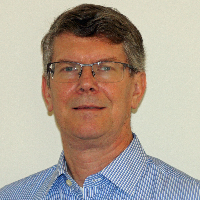
About Stephen
Before therapy he spent years as a working musician in Hollywood. That time gave him first-hand experience of both excitement and disappointment. Those experiences helped shape his interest in why people get stuck and how they recover a sense of purpose.
He earned a Master’s degree in Clinical Psychology from Pepperdine University in 2001. Since then he has worked in rehabilitation settings and private practice. He has supported people through substance use recovery, post-traumatic stress, mood challenges, codependency, grief, and other concerns.
Stephen believes therapy is a collaboration. He helps people identify unhelpful beliefs such as not being good enough or not being wanted. Together they weigh options and practice new ways of thinking and acting that lead to calmer days and clearer choices.
Sessions focus on understanding the person, testing what helps, and building concrete skills for daily life. Stephen works from California and offers services in English. If you want a straightforward, practical approach, his style centers on listening, honest feedback, and steady support.
Areas of expertise
Also works with
Additional focus areas
Therapeutic approaches
Experience
24+ years
Credentials
California, Texas, Virginia
Languages
English
How Stephen’s Approaches Translate Online
Client-Centered Therapy focuses on building a respectful, nonjudgmental relationship where the client sets the pace and goals. This approach helps with self-esteem issues, relationship concerns, and feeling more grounded in everyday life.Cognitive Behavioral Therapy, or CBT, looks at how thoughts and behaviors interact. It uses short, practical exercises and experiments to reduce anxiety, manage mood problems, and change patterns that keep someone stuck.
EMDR, or Eye Movement Desensitization and Reprocessing, is a trauma-focused method that helps people process distressing memories and reduce their emotional charge. It is often used for post-traumatic stress and related symptoms.
Finding the right approach is part of the work. Stephen will collaborate with each person to decide which methods or combination of methods fit their needs, goals, and comfort level. He adjusts plans as progress is made and as goals change.
If you are considering online therapy, check which session formats are currently offered before booking. Online work can make it easier to fit therapy into a busy week, allow shorter check-ins when needed, and reduce travel time. Talk with the therapist about your schedule and preferences so sessions can be arranged to match real life.
Frequently asked questions
What concerns does this therapist commonly address?
He helps people with stress, anxiety, addictions, trauma and abuse, depression, relationship and family issues, grief, parenting, anger, career changes, and coping with life transitions.
What is his general therapy style?
He practices a collaborative, client-centered approach. Sessions focus on listening, identifying unhelpful beliefs, and trying practical steps that may improve daily life.
How long has he been practicing?
He has 24 years of clinical experience, including work in rehabs and private offices supporting people through substance use recovery and trauma-related issues.
What credentials and location are listed?
He is an LMFT licensed in Texas and California and practices from California.
What languages are supported and can international clients work together?
Sessions are offered in English. He is not currently accepting international clients.
Which session formats are offered?
The original biography does not list specific session formats; please confirm current session options before booking.
How are costs handled?
Fees vary with location and therapist availability; sessions use a subscription that can be canceled at any time.
What should I do to begin?
Use the Start Therapy button, complete a short matching questionnaire, and schedule based on the therapist's availability.