- Stress and anxiety
- Grief and trauma
- English and Korean
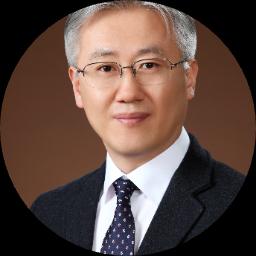
About Sung
He uses a blend of approaches to match each person’s situation. In sessions he listens closely, helps name patterns that cause pain, and practices new ways of responding. He aims to make change practical so people can use it between meetings.
Clients often come with work pressures, losses, or recurring relationship issues. He also supports people coping with chronic illness, caregiving strain, adoption and foster care concerns, attachment questions, and identity or body image worries. Many benefit from structure and skills alongside deeper reflective work.
Dr. Kim trained and practices as a New York psychoanalyst, NY Psychoanalyst 000245. That background informs his attention to long-standing personal patterns and how past relationships shape current life. He balances that perspective with skill-based tools when helpful.
The first sessions focus on understanding what the person wants to change and what feels most urgent. From there he and the client choose a mix of strategies to try, track progress, and adjust the plan as needed. People describe his style as calm, direct, and curious.
Areas of expertise
Primary focus
Additional focus areas
Therapeutic approaches
Experience
30+ years
Credentials
New York
Languages
English, Korean
Approaches that translate to online work
Dr. Kim often uses Acceptance and Commitment Therapy, which helps people notice thoughts and commit to meaningful action even when feelings are difficult. ACT can help with anxiety, stress, and moving toward valued goals. He also draws on Attachment-Based Therapy to look at how early relationships shape current patterns; this can help with trust, closeness, and recurring relationship problems. Cognitive Behavioral Therapy is another common part of his practice, offering clear steps to change unhelpful thinking and behavior that fuel depression and anxiety.Finding the right approach is a collaborative process. The therapist listens to what you want to change, reviews what has or hasn’t helped before, and suggests options. Together you test methods, track what works, and adjust the plan so sessions stay practical and relevant to daily life.
If you are considering online sessions, confirm current session formats before booking. Online work can make it easier to fit therapy into a busy schedule, shorten commute time, and allow brief check-ins when a full session is not feasible. It also gives flexibility for people living outside New York, including international clients, to connect without travel. Ask about which formats are offered when you arrange the first session.
Frequently asked questions
What concerns does this therapist commonly help with?
He works with stress, anxiety, depression, grief, trauma and relationship difficulties, plus related areas such as caregiving strain, attachment issues, and body image.
What is his therapeutic style like?
He combines listening and reflection with practical skills. Sessions balance understanding deep patterns and trying concrete coping strategies.
How long has he been practicing?
He has 30 years of clinical experience working with individuals on a broad range of life challenges.
What professional credential does he hold and where does he practice?
He is listed as a New York psychoanalyst, NY Psychoanalyst 000245, and practices from New York.
Which languages are offered in sessions?
Sessions are offered in English and Korean.
Can international clients work with him?
He accepts international clients, so people outside the U.S. can inquire about working together.
How is cost and scheduling handled?
Cost varies with location and therapist availability; sessions use a subscription that can be canceled at any time.
What is the first step to begin therapy?
Select the Start Therapy button, complete a short matching questionnaire, and schedule according to therapist availability.