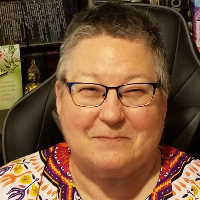
- Person-centered approach
- Focus on addiction
- Mindfulness and narrative
About Sus
She draws from client-centered work and cognitive behavioral ideas to identify unhelpful patterns and try small, workable changes. Mindfulness practices and narrative methods are used to help people slow down, notice what matters, and reframe difficult stories. Motivational interviewing is part of the mix when clients want support making lasting behavior changes.
Her background includes many years supporting people with substance use and related crises, and extensive experience in mental health work across outpatient, residential, and inpatient settings. That experience informs practical strategies for coping with depression, anxiety, ADHD, bipolar mood concerns, and compassion fatigue. She also focuses on issues tied to identity such as LGBT concerns and gender dysphoria, plus caregiver and cancer-related stress.
Sessions are offered in English and Danish, and she accepts international clients. Sus uses a flexible, person-first stance in sessions and encourages clients to set the pace. She asks questions, reflects what she hears, and helps people shape goals that fit their lives.
People often come to address parenting strain, relationship and intimacy issues, family of origin wounds, or addictions. She also supports those dealing with moral injury, first responder or veteran-related stress, immigration-related distress, and the isolation that can follow big life changes.
Areas of expertise
Primary focus
Also works with
Additional focus areas
Therapeutic approaches
Experience
37+ years
Credentials
Florida
Languages
English, Danish
How therapeutic approaches shape online work
Client-Centered Therapy focuses on listening and meeting people where they are, helping clients name their goals and decisions. Cognitive Behavioral Therapy (CBT) looks at how thoughts, feelings, and behaviors interact and uses small experiments to test new ways of responding. Mindfulness Therapy teaches simple attention and breathing practices to reduce reactivity and build steadying routines.Finding the right approach is part of the work. The therapist will collaborate with each person to decide which methods fit their needs, goals, and preferences. That may mean trying a few techniques and adjusting them over time so the plan actually fits daily life.
Confirm the available session formats before booking so you know what options exist for connecting. Online therapy can make it easier to fit sessions into a busy week, allow a shorter check-in when needed, and offer choices that reduce travel time. Licensed professionals can use these ways of working to support people through addiction recovery, trauma processing, managing anxiety or ADHD, and coping with caregiver or cancer-related stress without promising a particular outcome.
Frequently asked questions
What concerns does Sus help with?
She works with a wide range of issues including addictions, trauma and abuse, grief, ADHD, stress, anxiety, depression, bipolar concerns, relationship and intimacy-related issues, parenting strain, and compassion fatigue.
What is her therapeutic style?
Her style is person-centered and practical, combining client-centered listening with cognitive behavioral ideas, mindfulness, motivational interviewing, and narrative work.
How much experience does she have?
She has 37 years of professional experience working in mental health and substance use settings including outpatient, residential, and inpatient care.
What are her credentials and where is she based?
She holds the LCSW credential and is licensed in Florida.
Which languages are supported?
Sessions are offered in English and Danish, and she accepts international clients.
What session formats are offered?
Please confirm current session options before booking to learn which formats are available for meetings.
How much do sessions cost?
Cost varies with location and therapist availability; sessions use a subscription that can be canceled at any time.
How do I begin if I want to work together?
Select the Start Therapy button, complete a short matching questionnaire, and schedule according to therapist availability.