- Trauma-focused support
- Practical coping skills
- Collaborative goal setting
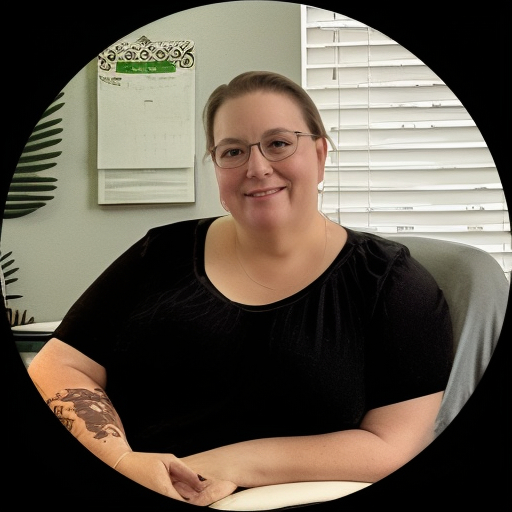
About Susan
Susan uses a mix of approaches to meet each person's needs. She draws on Client-Centered methods to follow the person's pace and priorities. Cognitive Behavioral Therapy is used to spot unhelpful thinking and try small, testable changes. EMDR is part of her toolkit for addressing trauma symptoms when appropriate.
Her work often includes helping people manage relationship and family concerns, attachment and abandonment issues, and blended family stresses. She also addresses body image, codependency, dissociation, and the emotional effects of natural or human-caused disasters. Her practice pays attention to co-occurring conditions such as bipolar disorder and other overlapping concerns.
Susan brings eight years of experience and offers a collaborative style. She uses motivational interviewing and solution-focused techniques to set goals that feel doable. Sessions aim to build coping skills, reduce distress, and help clients make steady progress toward the changes they want.
Sessions are conducted in English and operate within the rules and licensure of Florida for an LCSW. Before booking, readers should confirm current session options and scheduling details to match their needs.
Areas of expertise
Primary focus
Also works with
Additional focus areas
Therapeutic approaches
Experience
8+ years
Credentials
Florida
Languages
English
How Susan’s Approaches Translate to Online Work
Susan draws on Client-Centered Therapy to follow each person’s needs and priorities. That approach focuses on listening, reflecting what the person says, and letting goals emerge at a comfortable pace. It helps when someone needs a calm, steady place to sort through feelings.She also uses Cognitive Behavioral Therapy to identify patterns of thinking that fuel worry or low mood and to test small behavioral changes. CBT is useful for stress, anxiety, and depressive symptoms because it breaks problems into concrete steps. EMDR is used as another option for people with trauma-related symptoms when processing past distress is a treatment goal.
Finding the right approach is part of the work. Susan will talk with each person about their history, goals, and preferences and then suggest which methods to try. The choice is collaborative and can change as progress is made.
Session formats are not listed in the basic profile, so confirm current options before booking. Online therapy can make regular sessions easier to fit into busy days, allow shorter check-ins when needed, and reduce travel time. It can also let someone work with a licensed professional from wherever they live in Florida, while scheduling around work or family commitments.
Frequently asked questions
What kinds of problems does this therapist help with?
Susan focuses on stress, anxiety, trauma and abuse, anger, depression, relationship and family issues, self-esteem, bipolar concerns, and coping with life changes. She also works with related topics like attachment, abandonment, codependency, and communication problems.
How would you describe her therapeutic style?
She uses a collaborative, down-to-earth approach that follows each person’s pace. Sessions mix listening with practical skill building and goal-setting.
What is her professional background?
Susan has eight years of clinical experience working with people affected by trauma, mood symptoms, and life transitions. Her work emphasizes hands-on strategies and trauma-informed care.
What credential and location information is on file?
The profile lists Susan as an LCSW and notes she practices in Florida under that credential.
Which languages are supported?
Sessions are offered in English.
Can people outside the US work with this therapist?
International clients are not currently accepted.
How are fees and payment handled?
Cost varies with location and therapist availability, and sessions use a subscription that can be canceled at any time.
How do I begin therapy with this clinician?
Start by selecting the Start Therapy button, complete a short matching questionnaire, and then schedule sessions according to the therapist’s availability.