- Relationship focus
- Trauma-informed care
- Practical strategies
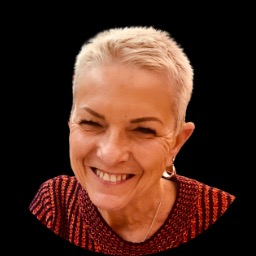
About Suzanne
She draws on more than 32 years of clinical work in Michigan and overseas. Sessions focus on practical steps people can try between meetings. Suzanne uses a client-centered stance that emphasizes each person’s strengths and goals. She also uses targeted methods when needed to address painful memories or improve communication.
Her practice often works with people caring for others, those managing chronic pain or long-term illness, and people facing blended family or fatherhood issues. She pays attention to how family of origin, guilt, and shame affect current choices. First responder stress and caregiver burnout are among the concerns she regularly addresses.
Suzanne blends approaches like EMDR for trauma processing, the Gottman Method for relationship patterns, and solution-focused techniques for quicker goal work. She uses motivational interviewing to help people find internal reasons to change. The aim is steady progress you can notice in daily life.
People can expect a straightforward, compassionate clinician who values clear communication and gradual skill-building. Sessions emphasize realistic, usable tools for emotion regulation, communication, and decision-making. Suzanne helps people move from feeling stuck to taking concrete next steps.
Areas of expertise
Primary focus
Also works with
Additional focus areas
Therapeutic approaches
Experience
32+ years
Credentials
Michigan
Languages
English
How Suzanne's Approaches Work Online
Client-centered therapy puts the person’s goals front and center. The therapist listens closely and helps people name what they want to change, then supports steps toward those goals. EMDR, or Eye Movement Desensitization and Reprocessing, is a method used to reduce the hold of painful memories and lessen the intensity of trauma symptoms when those memories come up.Finding the right approach is part of the work. Suzanne will collaborate with each person to decide which methods fit best based on needs and preferences. That collaborative process includes checking in about what feels useful and adjusting the plan over time.
If you prefer online therapy, confirm the session formats before booking since the biography does not list them. Online options can make it easier to fit sessions into a busy week, allow quieter surroundings, and reduce travel time. Some formats also make shorter, focused check-ins possible when people need brief support. Talk with the therapist about scheduling, session length, and what will work best for everyday life.
Frequently asked questions
What concerns does this therapist address?
Suzanne focuses on relationship and family issues, grief, parenting, self-esteem, stress, anxiety, trauma and abuse, intimacy, anger, and coping with life changes. She also works with compassion fatigue and related caregiver challenges.
How would you describe the therapy style?
Work is client-centered and practical. Suzanne emphasizes clear communication, strength-building, and steps people can try between sessions.
What is Suzanne's professional background?
She has 32 years of experience providing clinical care in Michigan and overseas, including work with caregivers, older adults, and people managing chronic health concerns.
What credential and location are listed?
The clinician holds an LMSW and practices in Michigan.
Which languages are supported and are international clients accepted?
Sessions are offered in English. International clients are not currently accepted.
What session formats are offered?
Current session formats are not specified in the biography; please confirm available formats before scheduling.
How does pricing work for sessions?
Cost varies with location and therapist availability; sessions use a subscription that can be canceled at any time.
How do I begin therapy with Suzanne?
Use the Start Therapy button, complete a short matching questionnaire, and schedule according to therapist availability.