Therapist listings are provided by BetterHelp. We will earn a commission at no extra cost to you if you use our links to buy.

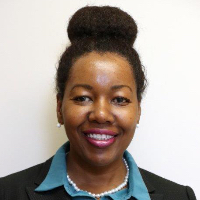
Dr. Tamara Woods

At a glance

Experience
14 years
Based in
North Carolina
Sessions
Online
Languages
English

TherapistNorth Carolina

Dr. Tamara Woods, LCSW, CSW

Compassionate practical therapy for everyday challenges

Continue with Tamara

Opens BetterHelp, where you can review online therapy options and next steps.

License and NPI on record

CredentialStateNumber
LCSW Georgia CSW004869
LCSW North Carolina C005771

NPI1932371580

Shown as listed on the therapist's profile. A license can be checked with the state board, and an NPI with the national NPI registry.

  • Client-centered care
  • Practical coping tools
  • Experience with families

About Tamara

Dr. Tamara Woods offers short, direct support for adults navigating stress, relationship strains, mood changes, or major life transitions. She aims to make the first steps toward help easier by meeting people where they are and listening without judgment. Her approach is practical and focused on what helps in day-to-day life. Dr. Woods is a Licensed Clinical Social Worker - LCSW and also holds a CSW credential. She brings 14 years as a licensed clinician and over 20 years working with families into her practice. That background informs how she frames problems and looks for workable next steps. She draws on a mix of methods, including cognitive behavioral techniques to spot patterns that keep problems going. She also uses client-centered ideas to shape treatment around each person's goals, and solution-focused steps that emphasize small, achievable changes. Motivational interviewing is used when someone needs help finding their own reasons to change. In sessions she helps people talk through grief, anxiety, depression, anger, addiction concerns, and relationship or parenting challenges. She also addresses issues like attachment, abandonment, adoption and foster care histories, caregiver stress, and midlife questions. Work often focuses on practical coping tools and planning for the next steps. People who prefer straightforward, collaborative care may find her style fits. She encourages asking questions about the process and pacing work to what feels doable. If someone is ready to begin, she guides them through initial steps and scheduling.

Areas of expertise

Primary focus

Stress, AnxietyRelationship issuesGriefBipolar disorderDepression

Also works with

AddictionsLGBTFamily conflictsTrauma and abuseIntimacy-related issuesParenting issuesAnger managementSelf esteemCareer difficultiesCoping with life changesCoachingADHD

Additional focus areas

AbandonmentAdoption and foster careAging and geriatric issuesAttachment issuesBlended family issuesCaregiver issues and stressControl issuesDivorce and separationDomestic violenceFamily problemsForgivenessGuilt and shameIsolation / lonelinessLife purposeMidlife crisisVeteran and Armed Forces IssuesMoney and financial issuesMood disordersMulticultural concernsObsessions, compulsions, and OCDPanic disorder and panic attacksParanoiaPersonality disordersPhobiasPost-traumatic stressPrejudice and discriminationSelf-loveSocial anxiety and phobiaTraumatic brain injuryWomen's issues

Therapeutic approaches

Attachment-Based TherapyClient-Centered TherapyCognitive Behavioral Therapy (CBT)Motivational InterviewingSolution-Focused Therapy

Experience

14+ years

Credentials

Georgia, North Carolina

Languages

English

How these approaches translate to online work

Attachment-Based Therapy focuses on how early bonds shape current relationships and feelings. Online sessions can help people notice patterns in trust, intimacy, and closeness, and practice new ways of relating to others. Cognitive Behavioral Therapy (CBT) looks at thoughts and behaviors that keep problems going. In remote sessions, CBT often involves identifying unhelpful thinking, testing beliefs, and using clear homework tasks to try out small changes between meetings. Finding the right approach is part of the process. The therapist will collaborate with each person to choose methods that match their goals and preferences. That means adjusting pace, trying different techniques, and checking in often about what feels helpful. The biography does not list specific session formats, so confirm current options before booking. Many people find online sessions helpful because they can fit therapy into a busy life, reduce travel time, and make scheduling more flexible. Other practical benefits include shorter check-ins by phone when bandwidth is limited, or video meetings when visual connection matters. The focus is on making therapy workable for everyday routines while using methods that aim to produce small, meaningful changes.

Frequently asked questions

What types of concerns are commonly addressed?

Stress, anxiety, depression, grief, relationship and parenting issues are commonly addressed. The therapist also helps with bipolar symptoms, addictions, self-esteem, career changes, and life transitions.

How would you describe the therapeutic style?

The approach is collaborative and down-to-earth, focusing on practical steps. Sessions mix client-centered listening with cognitive behavioral and solution-focused techniques.

What background and experience does this therapist have?

The therapist has 14 years of experience as a licensed clinician and more than 20 years working with families. That experience informs how she frames treatment and sets goals.

Which credentials and region should I know about?

She holds LCSW and CSW credentials and practices from North Carolina. The profile lists licensing in NC and Georgia as part of her background.

Are sessions offered in other languages or internationally?

Sessions are offered in English. International clients are not currently accepted.

What session formats are available?

The original biography did not specify session formats. Please confirm current session options with the clinician before scheduling.

How is cost handled for sessions?

Cost varies with location and therapist availability and uses a subscription model that can be canceled at any time.

What are the first steps to begin therapy?

Use the Start Therapy button, complete a short matching questionnaire, and then schedule according to the therapist's availability.

Back to all therapists

Dr. Tamara WoodsReview online therapy options on BetterHelp.

Continue with Tamara