- Person-centered care
- Trauma-informed focus
- Spanish and English
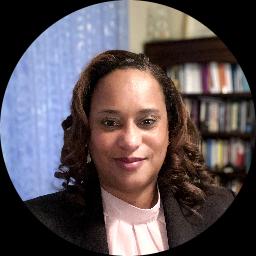
About Tanya
Her work centers on helping people navigate life transitions and emotional challenges. Sessions aim to clarify what matters most, build emotion regulation skills, and repair strained communication. Tanya draws on approaches such as client-centered therapy, cognitive behavioral techniques, and trauma-focused methods to address symptoms and everyday problems.
She also helps people with relationship and family concerns, parenting strain, career stress, and self-esteem issues. Additional focuses include abandonment, adoption and foster care questions, aging and geriatric matters, caregiver stress, chronic illness and pain, and recovery from domestic violence or separation. Tanya pays attention to how these concerns interact in daily life.
In sessions she prioritizes listening and collaboration. Clients work on concrete steps they can try between meetings, such as communication practices, coping skills from DBT, or small behavior changes from CBT. The goal is gradual improvement and clearer choices.
Tanya emphasizes cultural awareness and the varied realities people bring into therapy. Her approach aims to support resilience while honoring each person’s story and pace of change.
Areas of expertise
Primary focus
Also works with
Additional focus areas
Therapeutic approaches
Experience
7+ years
Credentials
Texas
Languages
English, Spanish
How Tanya’s approaches translate to online work
Client-centered therapy focuses on listening, acceptance, and helping clients find their own solutions. It supports people who need a calm, steady space to make sense of life changes or emotional pain.Cognitive Behavioral Therapy (CBT) looks at thoughts and behaviors that keep problems stuck and uses small experiments and skill practice to shift them. It is often helpful for anxiety, depression, and managing everyday stress.
Dialectical Behavior Therapy (DBT) provides practical emotion regulation and distress tolerance skills. These tools can help with intense emotions, anger, and improving communication under pressure.
Choosing the right approach is a team effort. The therapist will talk with each person about goals, preferences, and what feels most useful. Together they try methods and adjust them based on what helps in real life.
Confirm current session options before booking, since formats are not specified here. Online therapy can make it easier to fit sessions into a busy day, reduce travel time, and allow shorter check-ins when needed. It can also let clients use guided exercises or worksheets between meetings so work continues outside the session.
Frequently asked questions
What kinds of problems does she help with?
Tanya works with stress, anxiety, depression, grief, trauma and abuse, relationship and family concerns, parenting strain, anger, self-esteem, career stress, and coping with life changes.
What is her therapy style like?
Her style is person-centered and collaborative, using clear, practical tools from approaches like CBT, DBT skills, and trauma-focused methods to address daily struggles and symptoms.
How much experience does she have?
She has seven years of clinical experience working with a range of emotional and life transition concerns in Texas.
What are her credentials and location?
She holds the LPC credential, and her practice is based in Texas.
Which languages are offered for sessions?
Sessions are offered in English and Spanish.
Can international clients work with her?
International clients are accepted; confirm any licensure or regional details when arranging services across borders.
How is payment handled?
Cost varies with location and therapist availability; sessions use a subscription model that can be canceled at any time.
What do I do to start sessions?
Select the Start Therapy button, complete a short matching questionnaire, and schedule according to the therapist's availability.