- Anxiety and depression
- Trauma and attachment
- Life transitions
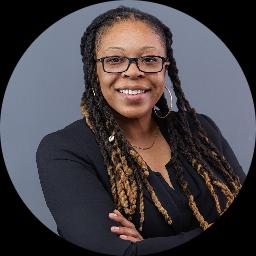
About Tashara
With ten years of experience, she pays attention to who a person is and how their background and identity shape struggles. Sessions often involve talking through patterns that keep problems alive and practicing new ways to cope. She supports work on communication, self-worth, body image, and recovering from harmful behaviors.
Tashara also helps people manage caregiver stress, chronic illness and pain, and the challenges that come with aging. She works with issues like abandonment, attachment wounds, codependency, and blended family concerns. Her approach recognizes how discrimination and systemic pressures affect mental health.
She draws on several practical methods to guide change, asking clients what matters most to them and tailoring sessions around those goals. The work is collaborative: goals are set together and progress is checked along the way. Tashara aims for realistic steps people can use between meetings.
Based in Georgia, she uses clear language and concrete tools so clients can apply skills at home and work. People who want focused, down-to-earth support for real-life problems may find her approach helpful.
Areas of expertise
Primary focus
Additional focus areas
Therapeutic approaches
Experience
10+ years
Credentials
Georgia
Languages
English
Approaches that can translate well to online work
Tashara uses methods that focus on values, practical skills, and changing unhelpful thoughts. Acceptance and Commitment Therapy (ACT) helps people notice unhelpful thoughts, choose what matters most, and take steps toward those values. Cognitive Behavioral Therapy (CBT) looks at thought and behavior patterns and teaches tools to shift them for clearer mood and functioning. Dialectical Behavior Therapy (DBT) offers skills for managing strong emotions, improving distress tolerance, and improving interpersonal effectiveness.Finding the right approach is part of the process. Tashara collaborates with each person to identify which methods fit their needs and goals. She checks in as therapy progresses and adjusts techniques so the work remains relevant and useful.
Session formats are not specified in the biography, so confirm current options before booking. In general, online work can make therapy easier to fit into a busy life - it can reduce travel time, allow shorter check-ins on hectic days, and let people meet from different locations. It also makes it possible to practice skills in real contexts and to bring questions about daily life directly into sessions. Ask about specific scheduling and session types when you start the matching process.
Frequently asked questions
What concerns does she help with?
She works with stress, anxiety, depression, trauma and abuse, family conflict, and coping with life changes. Additional focuses include body image, caregiver stress, chronic illness and other related issues.
What is her therapeutic style?
The style is collaborative and practical, focusing on clear goals and skills you can use between sessions. She blends talk and action to address patterns and build coping tools.
How much experience does she have?
She has ten years of clinical experience working with a range of concerns including grief, attachment wounds, and recovery from harmful behaviors.
What are her credentials and where is she located?
She is a Licensed Professional Counselor, LPC, practicing in Georgia.
Which languages are supported?
Sessions are offered in English.
Can international clients work with her?
International clients are not currently accepted.
How does pricing work?
Cost varies with location and therapist availability; sessions use a subscription that can be canceled at any time.
How do I get started?
Select the Start Therapy button, complete a short matching questionnaire, and schedule according to therapist availability.