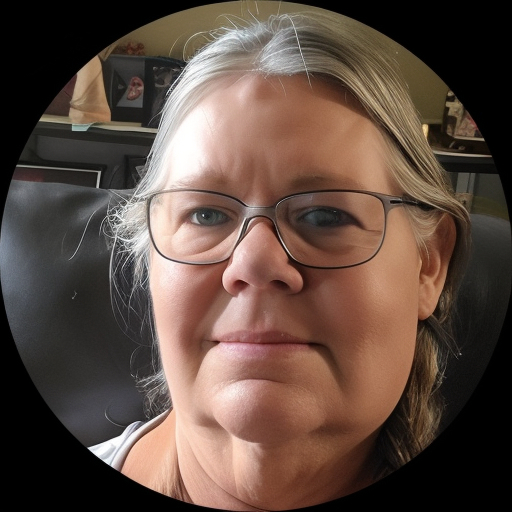
- Warm and direct
- Goal focused
- Recovery informed
About Theresa
Theresa aims to work alongside people as a partner rather than tell them what to do. She helps clients name clear goals and breaks those goals into manageable steps. Sessions move at a pace that feels right for each person and emphasize tools people can use between meetings.
Her clinical approach combines familiar methods such as Cognitive Behavioral Therapy, Acceptance and Commitment Therapy, mindfulness practices, client-centered techniques, and Motivational Interviewing. She tailors these methods to each person’s situation, selecting exercises and conversation prompts that fit current priorities.
Theresa also brings lived experience with recovery and family life into her perspective. That background helps her relate to people dealing with substance use concerns, process addictions, and the ripple effects those issues can have on relationships and daily routines.
Outside of therapy roles she has been a mother and grandmother, and she mentions long-term sobriety as part of her story. Those experiences inform a practical, compassionate style that emphasizes steady progress rather than quick fixes.
Areas of expertise
Primary focus
Also works with
Additional focus areas
Therapeutic approaches
Experience
16+ years
Credentials
North Carolina
Languages
English
How Theresa Uses Therapy Methods Online
Acceptance and Commitment Therapy (ACT) helps people notice thoughts and feelings without getting stuck in them, then choose actions that match their values; it can be useful for anxiety, depression, and coping with life changes. Cognitive Behavioral Therapy (CBT) focuses on identifying unhelpful thought patterns and testing them with behavior change; it often helps with anxiety, depression, sleep problems, and phobias. Motivational Interviewing is a conversation style that helps people find their own reasons to change, which can be helpful for addictions and making tangible life changes.Choosing the right approach is part of the work. Theresa talks with each person about their goals, needs, and preferences and then tries methods that fit. This is a collaborative process where adjustments are made based on what helps most.
If you are considering online sessions, confirm the current session options before booking so you know what formats are supported. Online work can make it easier to fit therapy into a busy life, with fewer travel needs and more flexibility for scheduling. It can also allow for shorter check-ins or phone-based conversations when that better suits a day at work. Licensed professionals, including therapists who use ACT and CBT, often adapt exercises and mindfulness practices to work well in remote sessions.
Frequently asked questions
What kinds of problems does Theresa help with?
She works with stress, anxiety, addictions, trauma and abuse, anger, depression, grief, sleeping problems, and related concerns such as ADHD, relationship strain, and compassion fatigue.
What is her general style in sessions?
Theresa describes herself as warm, attentive, nonjudgmental, direct, and honest. She focuses on practical steps and works together with clients as a team.
How much experience does she have?
She has 16 years of experience in clinical roles and has worked with a wide range of mental health concerns over that time.
What are her credentials and where is she based?
She holds an LCSW credential and practices in North Carolina under NC LCSW licensing.
Which languages are available for sessions?
Sessions are offered in English.
Can people outside the United States work with her?
She does not accept international clients at this time.
How are fees and payment handled?
Cost varies with location and therapist availability, and sessions use a subscription model that can be canceled at any time.
How do I begin working with Theresa?
Use the Start Therapy button, complete the short matching questionnaire, and schedule according to the therapist's availability.