- Strengths-based
- Practical strategies
- Experience driven
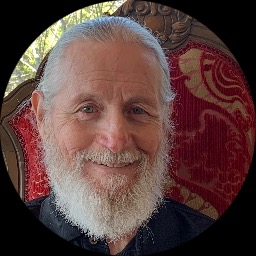
About Thomas
Over years of practice Thomas has worked with a wide range of concerns, including depression, ADHD, intimacy-related issues, eating and sleeping problems, and challenges tied to career or major life changes. He also addresses trauma and abuse, family-of-origin issues, caregiver stress, chronic illness, and substance use concerns. His background includes long-term clinical work in Texas and a focus on practical coping strategies.
Thomas uses several well-known therapy styles to match what each person needs. He draws on client-centered methods that emphasize the person’s own goals, cognitive behavioral techniques that look at thoughts and actions, and existential ideas that examine meaning and values. He also incorporates elements of Jungian thought and the Gottman method when relationship concerns are central.
Sessions center on clear goals and straightforward steps you can try between meetings. He listens for the strengths you already have, then helps you build on them. People who want calm, practical guidance and respect for their life story tend to find this approach useful.
If you’re considering therapy, Thomas asks you to take a small first step: complete the Start Therapy questionnaire and schedule a session to see how the fit feels.
Areas of expertise
Primary focus
Also works with
Additional focus areas
Therapeutic approaches
Experience
30+ years
Credentials
Texas
Languages
English
How these approaches translate to online care
Client-centered work focuses on listening and following what matters to you. Online sessions can let a therapist hear your story and help you set personal goals without forcing a particular path.Cognitive Behavioral Therapy (CBT) looks at thoughts and behaviors and teaches specific skills to try between sessions. That practical, skills-based work adapts well to remote sessions where homework and short check-ins keep progress on track.
Existential therapy helps people think about values, purpose, and the choices they face. Talking these topics online gives space to reflect on life decisions and coping with change while keeping the conversation focused on what matters to you.
Finding the right approach is part of the work. The therapist will discuss goals, preferences, and what feels most useful, then adjust methods together. That collaborative planning helps shape each person’s path rather than applying a one-size-fits-all model.
Session formats are not listed in the biography, so confirm current options before booking. Online therapy can make it easier to fit sessions into a busy day, minimize travel time, and allow shorter check-ins when needs are brief. Work with the therapist to choose a session rhythm that matches your schedule and supports steady progress.
Frequently asked questions
What issues does Thomas help with?
He works with people facing stress, anxiety, depression, addictions, grief, relationship strains, and related concerns such as ADHD, sleep and eating problems.
How would you describe his therapy style?
Thomas blends client-centered listening with practical tools from cognitive behavioral approaches, plus meaning-focused ideas from existential work.
How much experience does he have?
He brings 30 years of professional experience working with a wide range of mental health and life challenges.
What are his credentials and location?
He holds the LPC credential and practices in Texas as a Licensed Professional Counselor.
Which languages are supported for sessions?
Sessions are offered in English.
Does he work with clients outside the country?
He does not accept international clients at this time.
How are sessions paid for and what does it cost?
Costs vary by location and schedule; sessions use a subscription that can be canceled at any time.
How do I begin working with him?
Click the Start Therapy button, complete a short matching questionnaire, and then schedule according to the therapist’s availability.