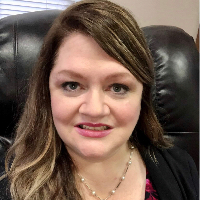
- 27 years experience
- Values focused
- LGBT affirming
About Tracey
Tracey uses a practical, person-focused approach in sessions. She draws on Cognitive Behavioral Therapy (CBT) and Dialectical Behavior Therapy (DBT) to teach skills for regulating emotion and changing unhelpful patterns. Acceptance and Commitment Therapy (ACT) and client-centered techniques help people clarify values and make meaningful choices. Attachment-based work informs how she looks at relationship patterns and early wounds.
She has a long history of working with LGBT clients and with people affected by adoption, foster care, and attachment concerns. Her practice has also included work with autism spectrum concerns, avoidant personality patterns, and blended family dynamics. Tracey has experience addressing chronic illness, caregiver stress, and co-occurring conditions where problems overlap.
Sessions tend to focus on clear goals, practical coping strategies, and steady progress over time. She blends talk, skill-building exercises, and attention to relationships so people can manage symptoms and move toward everyday functioning. Outside work she enjoys reading, hiking, thrifting, and time at the beach.
Tracey works in Georgia and conducts therapy in English. Prospective clients should confirm current session options before booking and use the Start Therapy process to begin.
Areas of expertise
Primary focus
Also works with
Additional focus areas
Therapeutic approaches
Experience
27+ years
Credentials
Georgia
Languages
English
How her approaches fit with online therapy
Acceptance and Commitment Therapy (ACT) helps people notice hard thoughts and feelings without being driven by them, and then act in line with what matters most. ACT can be useful for anxiety, depression, and coping with life changes. Cognitive Behavioral Therapy (CBT) focuses on the link between thoughts, feelings, and behavior and teaches practical techniques for changing unhelpful patterns; it is often used for anxiety, mood problems, and sleep or eating concerns. Attachment-Based Therapy looks at relationship patterns that began early in life and helps people develop healthier ways of relating and forming intimacy.Finding the right approach is part of the work. The therapist will collaborate with each person to choose methods that match their goals, needs, and preferences. That process can include trying different techniques and adjusting the plan as progress is made.
Session formats are not specified in the biography, so confirm available options before booking. Online work can make scheduling easier and help therapy fit into busy days. It can also allow shorter check-ins when time is limited, let someone avoid travel, or remove the need to be on camera if that helps. Licensed professionals can use these practical features to support consistent attendance and steady progress.
Frequently asked questions
What kinds of concerns does this therapist address?
She works with stress, anxiety, trauma and abuse, bipolar disorder, depression, addictions, grief, relationship and family issues, parenting, ADHD, body image, and many related concerns listed in her specialties.
What is her general therapeutic style?
Sessions are practical and person-centered, combining skill teaching with discussion. The focus is on clear goals, coping skills, and improving daily functioning.
How much experience does she have?
She has 27 years of clinical experience working with a wide range of concerns and populations.
What credentials and location should I know about?
She is a Licensed Professional Counselor (LPC) practicing in Georgia.
Which languages are supported for sessions?
Sessions are offered in English.
Can international clients work with her?
International clients are not currently accepted.
How are sessions billed and what does it cost?
Costs vary with location and therapist availability; sessions use a subscription that can be canceled at any time.
How do I begin working with her?
Use the Start Therapy button, complete a short matching questionnaire, and schedule according to therapist availability.