- Anxiety and depression
- Addiction support
- Life transition help
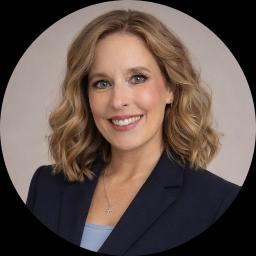
About Tracie
Tracie draws on her background as a military veteran to understand life transitions and the strain of moving between service and civilian roles. That perspective informs how she talks through combat-related stress, fatigue, and separation from military life. She aims to bring practical, down-to-earth guidance rather than jargon-filled explanations.
Her sessions tend to be warm, genuine, and respectful. Tracie works with each person to notice unhelpful thinking patterns and to build skills for managing strong emotions. She uses straightforward techniques to help clients change behaviors and cope better day to day.
Therapy combines client-centered listening with evidence-based tools such as cognitive behavioral work, dialectical behavior skills, mindfulness, and motivational interviewing. Treatment plans are shaped around a person’s goals and life demands. Tracie focuses on small, manageable steps that fit into everyday routines.
People who pick Tracie can expect clear, practical steps and an emphasis on strengths. Her aim is to help clients reduce distress, improve coping, and move toward the life they want.
Areas of expertise
Primary focus
Also works with
Additional focus areas
Therapeutic approaches
Experience
9+ years
Credentials
Alaska, Iowa
Languages
English
How Tracie’s approaches work online
Tracie uses client-centered care and cognitive behavioral techniques to guide work in sessions. Client-centered work means the therapist listens closely and tailors conversations to what matters most to the person. This helps people feel heard and makes it easier to set realistic goals. Cognitive Behavioral Therapy, or CBT, focuses on identifying and changing unhelpful thoughts and behaviors to reduce anxiety, depression, and addictive patterns.She also uses dialectical behavior skills to teach emotion regulation and coping tools for intense feelings. DBT-style techniques help with managing strong emotions, improving distress tolerance, and building better communication habits. Together these methods aim to give practical steps for daily life rather than only discussing problems.
Choosing the right approach is a collaborative process. The therapist will talk with each person about their goals, try strategies early on, and adjust the plan based on what helps. Clients and the therapist decide together which tools to use and how to fit them into everyday routines.
The biography does not list specific session formats, so confirm available options before you book. Many people find online work makes it easier to fit sessions around busy schedules, reduces travel time, and allows shorter check-ins when needed. Discuss format and timing when you schedule to make sessions match your life.
Frequently asked questions
What concerns does Tracie help with?
She supports people facing anxiety, depression, addictions, trauma and grief as well as stress, sleep and eating problems, ADHD, parenting strain, and related issues.
How would you describe her therapy style?
Her approach is warm, genuine, and respectful. She focuses on listening, practical skill-building, and clear steps rather than clinical jargon.
What is her clinical background?
Tracie has nine years of experience working in multiple states and settings. She brings lived experience as a military veteran to work on transitions from service to civilian life.
What credentials and location are listed?
She holds LPC and LMHC credentials and practices in Iowa with licensure noted as AK LPC and IA LMHC in her documentation.
Which languages are offered and are international clients accepted?
Sessions are offered in English. International clients are not currently accepted.
What session formats are available?
Please confirm current session options before booking, as the listed biography does not specify which formats are offered.
How does cost work for sessions?
Cost varies with location and therapist availability; sessions use a subscription model that can be canceled at any time.
How do I get started with Tracie?
Click the Start Therapy button, complete a short matching questionnaire, and schedule according to therapist availability.