- Stress and anxiety
- Service and civilian life
- Skill-based approach
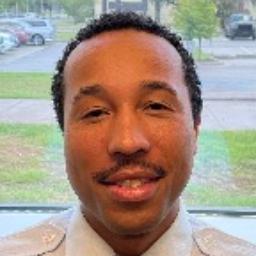
About Tyerell
Dotson often helps people dealing with depression, low self-esteem, anger, and sleep problems. He also supports those facing grief, addictions, and relationship or communication struggles. He mentions experience with service members and veterans alongside a broader client base.
His style is straightforward and goal-oriented. Sessions tend to include talking through problems, learning skills to manage symptoms, and setting small steps toward change. He encourages clients to take an active role in shaping what happens in therapy.
Therapeutic approaches used include Acceptance and Commitment Therapy, Cognitive Behavioral Therapy, and client-centered methods. Mindfulness and motivational strategies are also part of his toolbox to help people notice unhelpful patterns and build new habits.
Dotson asks for commitment and openness to change, but he keeps the process practical. He helps people choose doable goals and tracks progress in sessions. If someone is ready to start, he guides them through the first steps of scheduling and planning their work together.
Areas of expertise
Also works with
Additional focus areas
Therapeutic approaches
Experience
5+ years
Credentials
Virginia
Languages
English
How therapeutic approaches guide online work
Acceptance and Commitment Therapy helps people notice hurting thoughts and emotions without getting stuck in them, and then choose actions that match their values. It can be useful for anxiety, depression, and life transitions. Cognitive Behavioral Therapy looks at how thoughts, feelings, and behaviors link together and teaches practical skills to change patterns that cause distress. It often helps with mood disorders, sleep issues, and anger. Client-Centered Therapy focuses on listening, empathy, and supporting people as they find their own solutions, which can be helpful when someone needs a steady, understanding place to talk.Finding the right approach is part of the work. The therapist will discuss goals, preferences, and what has or hasn't helped in the past. Together they decide which methods to try and adjust the plan as needed so the work fits the person's needs.
If you are considering online sessions, confirm the specific session options before booking. Online therapy can make it easier to fit appointments into a busy schedule, reduce travel time, and allow shorter check-ins when needed. Licensed professionals can use these formats to deliver the same therapeutic methods explained above, while tailoring pacing and tools to each person's daily life.
Frequently asked questions
What concerns does this therapist address?
He helps people with stress, anxiety, depression, trauma and abuse, self-esteem, grief, addictions, anger, sleep problems, and relationship or family-related struggles.
What is his therapy style like?
Sessions are collaborative and goal-focused. He works with clients to set practical steps and track progress over time.
How much clinical experience does he have?
He has five years of experience as a licensed clinician working with a variety of concerns and life situations.
What are his credentials and where is he located?
He holds the LCSW credential and practices in Virginia.
Which languages are supported?
Sessions are offered in English.
Can people outside the U.S. work with him?
He does not accept international clients at this time.
How are sessions paid for?
Cost varies by location and availability; sessions use a subscription that can be canceled at any time.
How do I begin a session with him?
Click the Start Therapy button, complete a short matching questionnaire, and schedule according to the therapist's availability.