- Stress and anxiety
- Trauma and grief
- English and Spanish
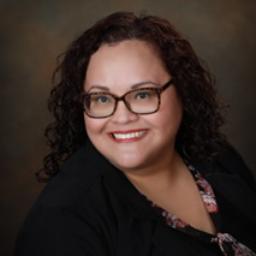
About Veronica
Veronica uses practical, straightforward conversations to draw out a person’s strengths. She views each person as the expert on their own life and works alongside them to set realistic goals. Sessions typically involve identifying patterns, trying simple strategies, and checking what helps in daily life.
Her approach draws on Acceptance and Commitment Therapy and Cognitive Behavioral Therapy to help people notice thoughts and take small, values-driven actions. Client-centered methods are also used to create a respectful space where someone can talk through painful memories or current stressors. Solution-focused ideas help keep sessions goal-oriented and efficient when that fits the person’s needs.
Veronica has worked with issues that include family conflicts, parenting strain, compassion fatigue, first responder and veteran concerns, mood disorders, and midlife transitions. She helps people address guilt, shame, isolation, and problems with communication or control. Her style is collaborative and practical, with attention to what changes will be useful this week.
When someone is ready to begin, she asks them to complete a short matching questionnaire and then schedule sessions based on availability. This keeps the start straightforward and focused on the person’s immediate needs.
Areas of expertise
Primary focus
Also works with
Additional focus areas
Therapeutic approaches
Experience
15+ years
Credentials
Texas
Languages
English, Spanish
How her approaches translate to online work
Acceptance and Commitment Therapy (ACT) helps people notice their thoughts and choose actions that match their values. It can be useful for anxiety, stress, and coping with life changes. Cognitive Behavioral Therapy (CBT) focuses on identifying unhelpful thinking patterns and testing small behavior changes to reduce symptoms like low mood or worry. Client-Centered Therapy emphasizes listening, empathy, and working at the client’s pace to process difficult experiences.Figuring out which approach fits best is part of the work. The therapist collaborates with each person to match methods to their needs, goals, and preferences. That means trying options, checking what helps, and adjusting the plan over time rather than settling on a single technique up front.
Confirm current session options before booking so you know what formats are offered. Online therapy can make it easier to fit sessions into a busy schedule, reduce travel time, and allow shorter check-ins when needed. It can also let people choose sessions that match their energy for being on camera or speaking by phone. The focus is on making therapy practical and usable for daily life while adapting the approach to what works best for the individual.
Frequently asked questions
What kinds of problems does she help with?
She works with stress, anxiety, grief, depression, trauma and abuse, addictions, relationship and intimacy-related issues, parenting concerns, and caregiver stress among other issues.
What is her general therapy style?
Her style is collaborative and practical. She helps people identify strengths, set small goals, and try strategies that can fit into everyday life.
What experience does she bring?
She has 15 years of professional experience working with a range of concerns including family conflict, compassion fatigue, and mood disorders.
Where is she licensed and based?
She is a Licensed Professional Counselor (LPC) in Texas and practices from that state.
Does she offer sessions in other languages?
Sessions are offered in English and Spanish.
Can people outside the country work with her?
International clients are not currently accepted.
How are fees and payments handled?
Cost varies with location and therapist availability; sessions use a subscription that can be canceled at any time.
How do I begin working with her?
Select the Start Therapy button, complete a short matching questionnaire, and schedule sessions according to availability.